en
de
Home | About us – old | Latest updates
Latest updates
24 September
To better understand how to scale impact entrepreneurship, Impact Hub Berlin is collaborating with the Seizmic Network, a group of researchers from across Europe that aims to unravel the complex dynamics of impact scaling. For almost 2 years Impact Hub Berlin is hosting researchers in residence focusing their PhD on this very topic.
23 April
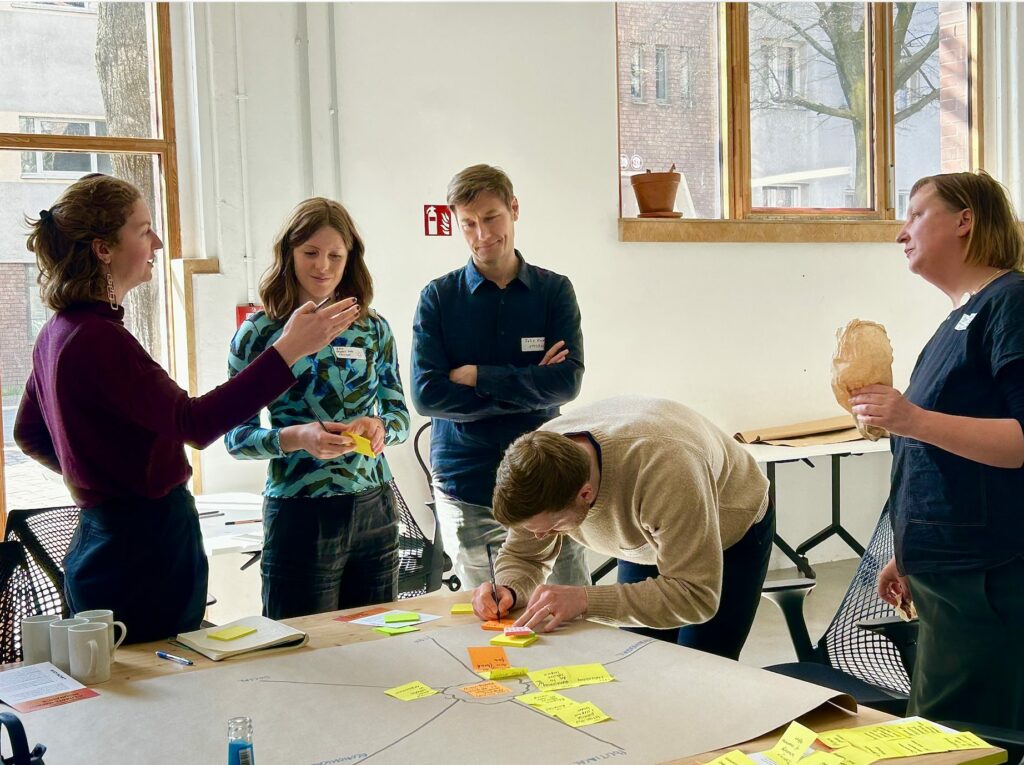
The conversation around climate change is shifting. While much of the global focus remains on mitigation, we are increasingly forced to confront a more immediate reality: adaptation.
4 March
In stable times, innovation can look like a portfolio of exciting projects. In tight times, the question leaders are asking: how do you grow when the environment is this unforgiving?
20 December
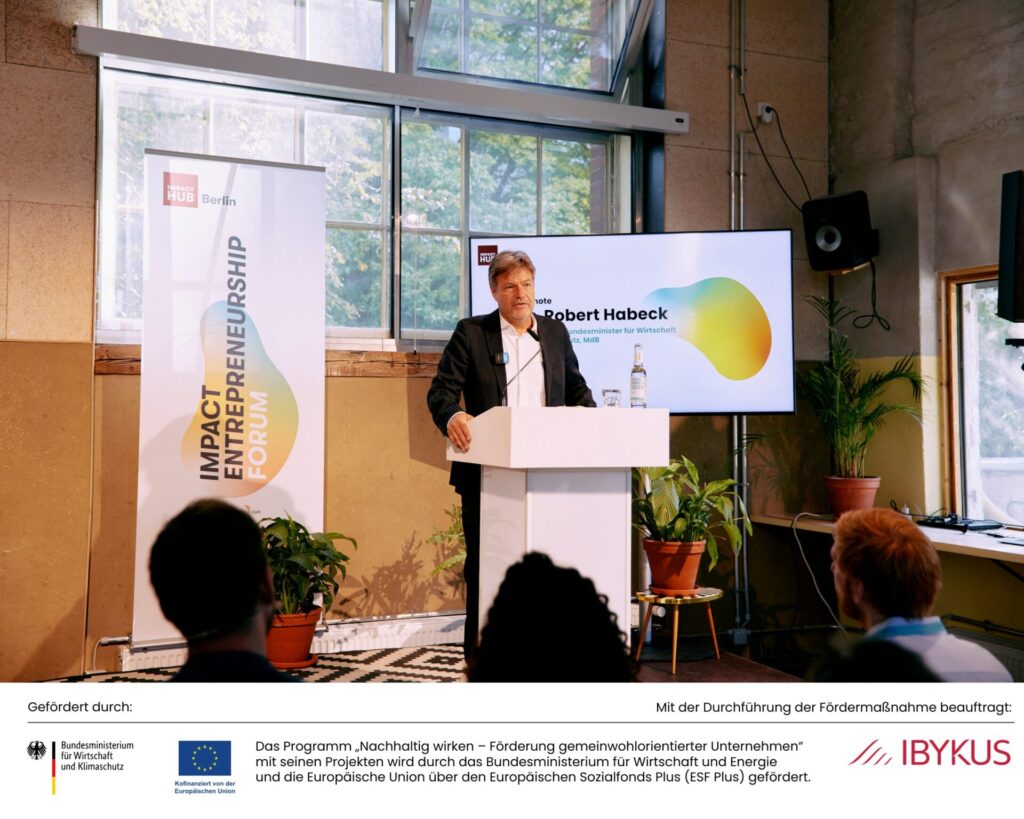
There’s no shortage of climate ambition in Germany. Everyday, startups develop new solutions, corporates evaluate their supply chain, investors look for the next sustainable unicorn, and researchers uncover new insights.
What these actors – and Germany – often lack, is the infrastructure to turn their individual efforts into collective momentum: connection.
That was the missing piece that Impact Hub Berlin set out to address, and successfully engaged 1,970 people in one year.
9 December
15 November
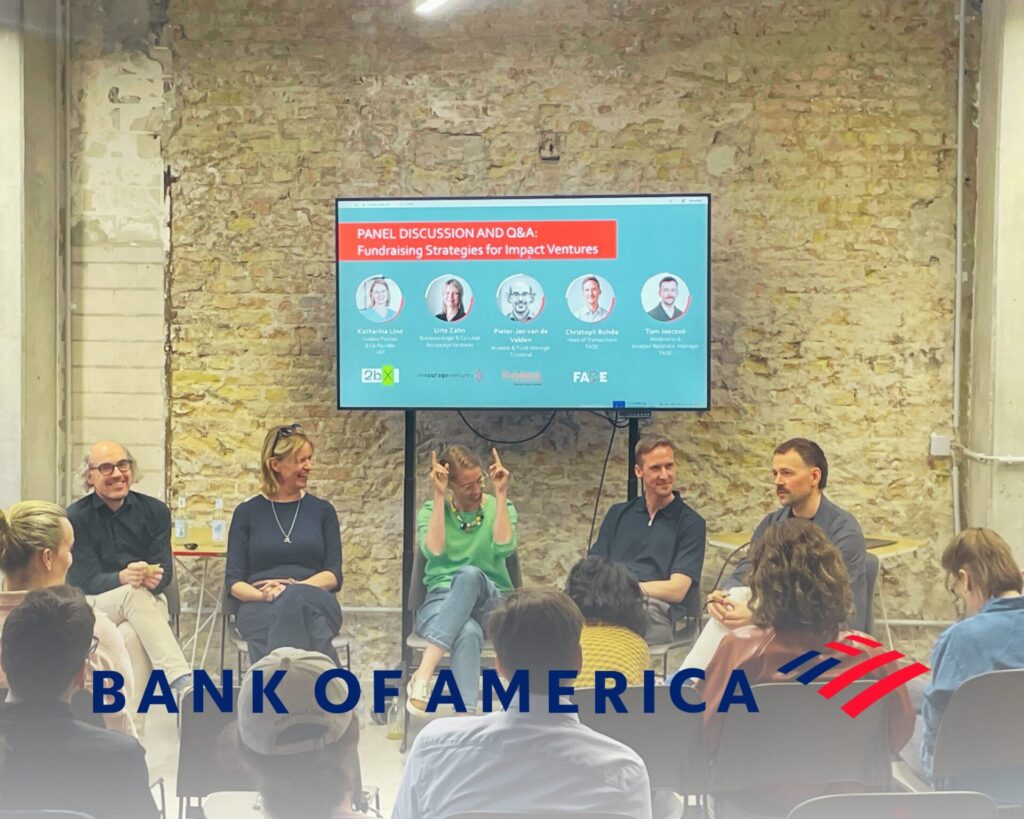
Securing investment is hard enough for a typical startup – for an impact startup, it can be even harder.
A typical commercial startup has to demonstrate a clear value proposition, a viable business model, and a sound financial narrative. An impact startup has to do all of that, plus have a convincing argument about how their solution tackles a real societal or environmental challenge, and get the right investors in the room – those willing to invest in long-term impact rather than short-term gains.
For many impact founders, this is not an easy task and the required capacity, expertise and connections is not always a given. As a result, promising impact ventures go without the capital they need to scale.
Together with Bank of America, we designed an investment-readiness programme to address exactly this.
24 September
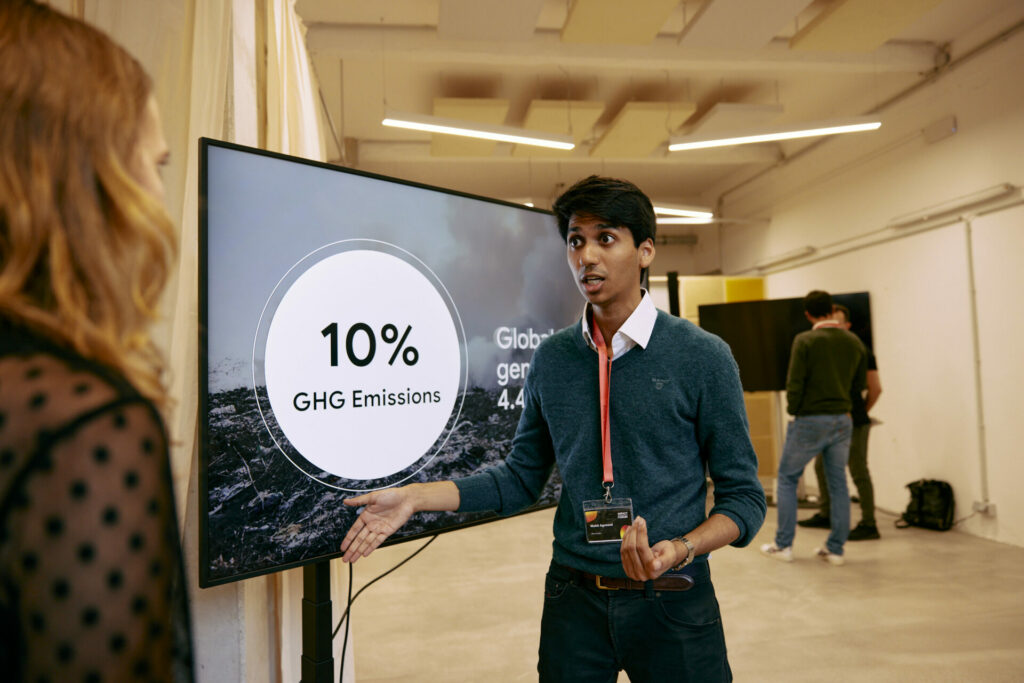
Die nächste Generation von Nachhaltigkeits-Talenten wächst nicht in klassischen Unternehmen, sondern in Start-ups und kreativen Netzwerken. Weil dort jetzt aber gespart wird, bekommt insbesondere der Mittelstand Probleme.
1 September
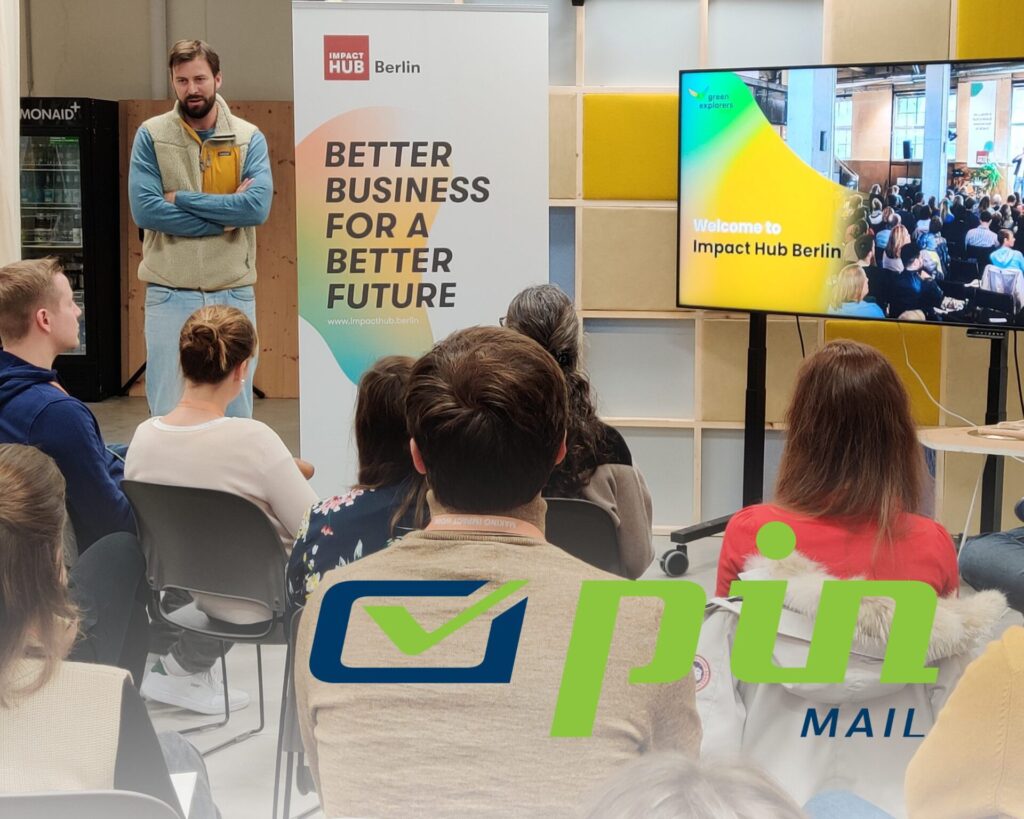
PIN AG had a major strategic challenge ahead of them, and they knew it.
Operating in a logistics market shifting faster than a PIN AG courier on a bicycle, their future strategy needed more than a refresh – it needed a fundamental shift. But the future is difficult to picture when day-to-day operations demand so much.
That's where Impact Hub Berlin came in: with bold thinking, structured analysis, opportunity development, validation and roadmapping and ecosystem integration. The key ingredients for transformation.
31 July
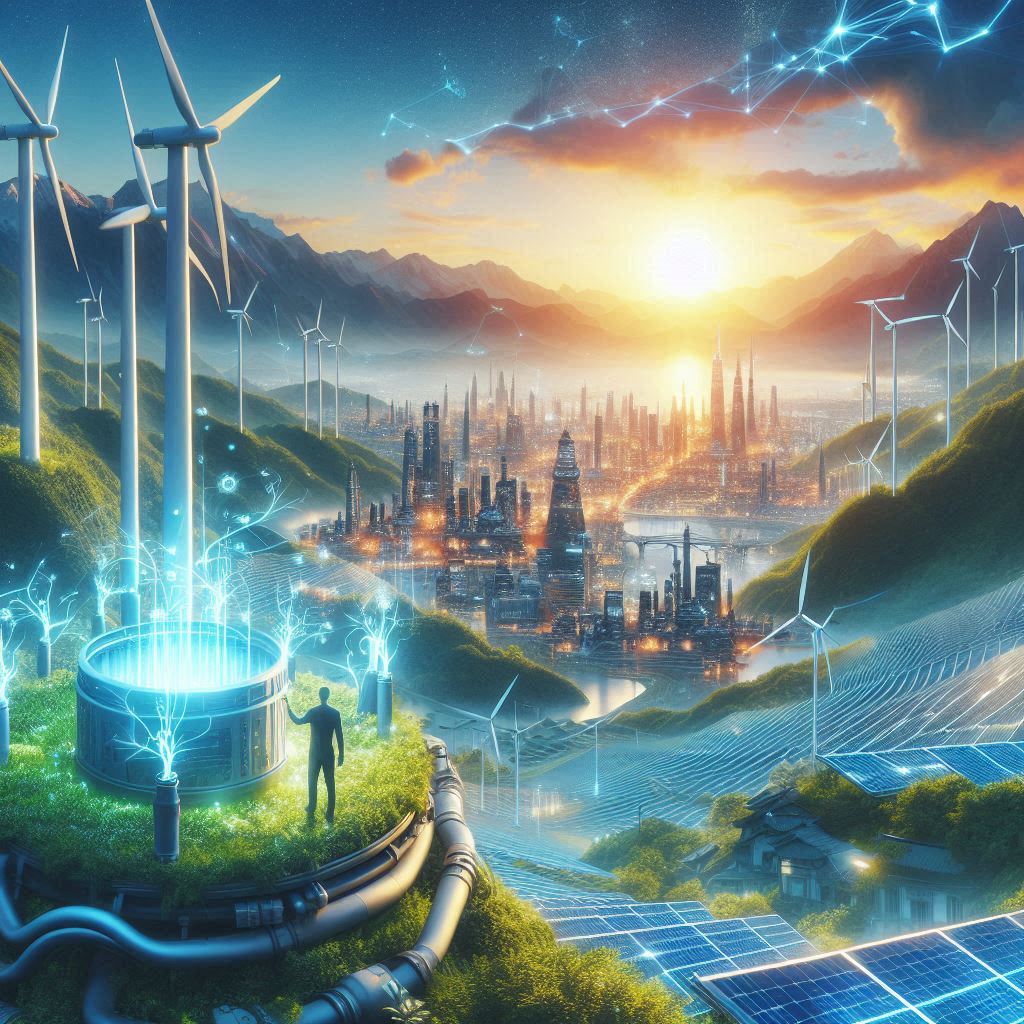
In an ever changing economical, ecological and social landscape, trends can help us navigate the waves of change. And when we understand trends, we can harness them to shape a more sustainable and equitable future. That’s how trends help us make impact work. We identify trends not just as indicators of change but opportunities for innovation and collaboration.
31 July
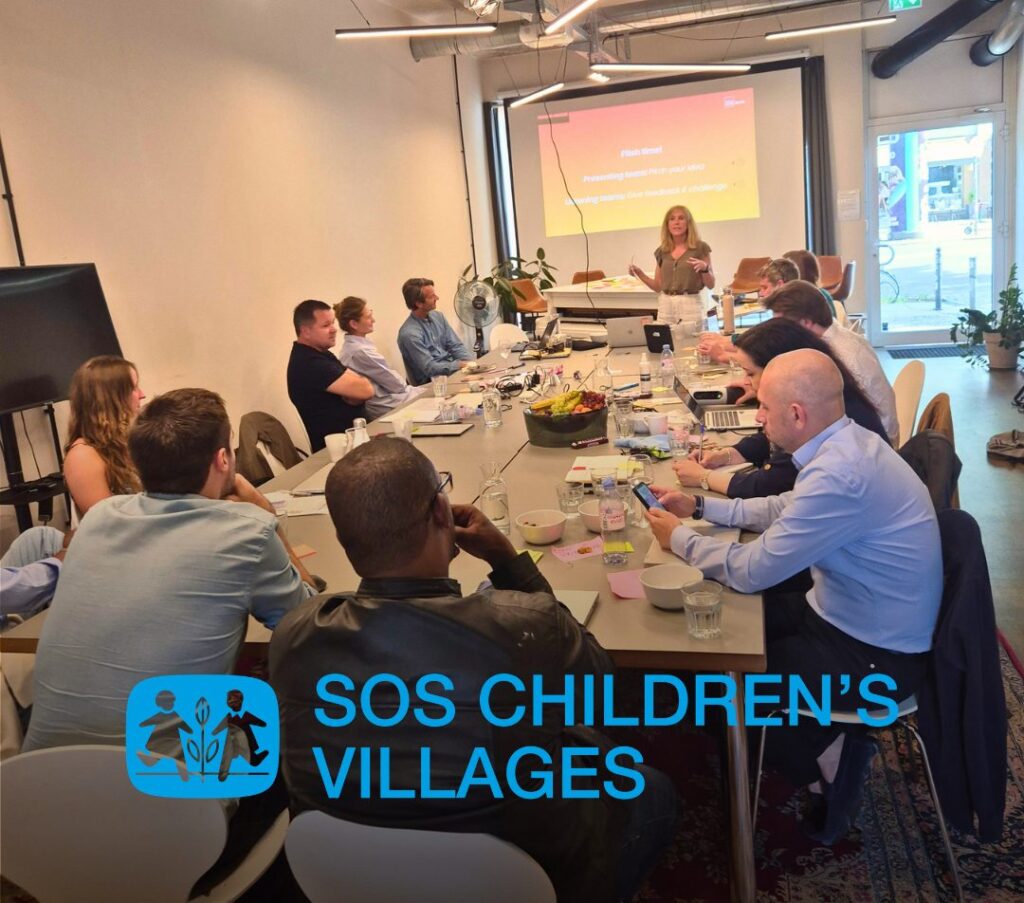
SOS Children's Villages doesn't struggle for ideas: working across 136 countries with 2.26 million programme participants, the organisation has thousands of people on the ground every day who see what's working, what isn't, and what could be done differently.
The harder question – one that any large, globally distributed organisation faces – is what happens to those ideas. How do you take something that worked in one context and make it work at scale? How do you ensure the right people hear about it, believe in it, and have the tools to build on it?
That was the challenge SOS Children's Villages brought to Impact Hub Berlin.
2 July
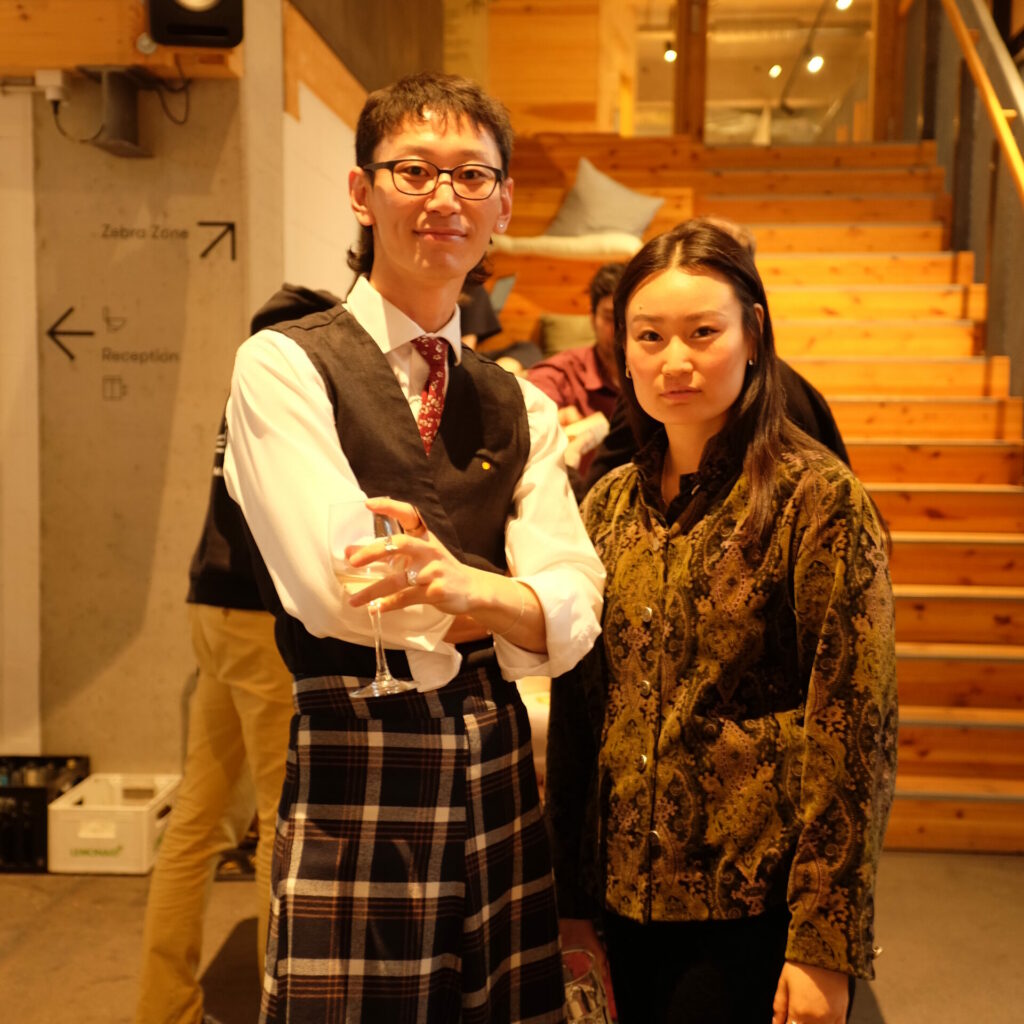
Hosting a clothing swap is a fun and sustainable way to give clothes a second life! Learn from our experience at the showcase event for the Climate Action Accelerator fashion forward cohort and start planning your own.
15 April
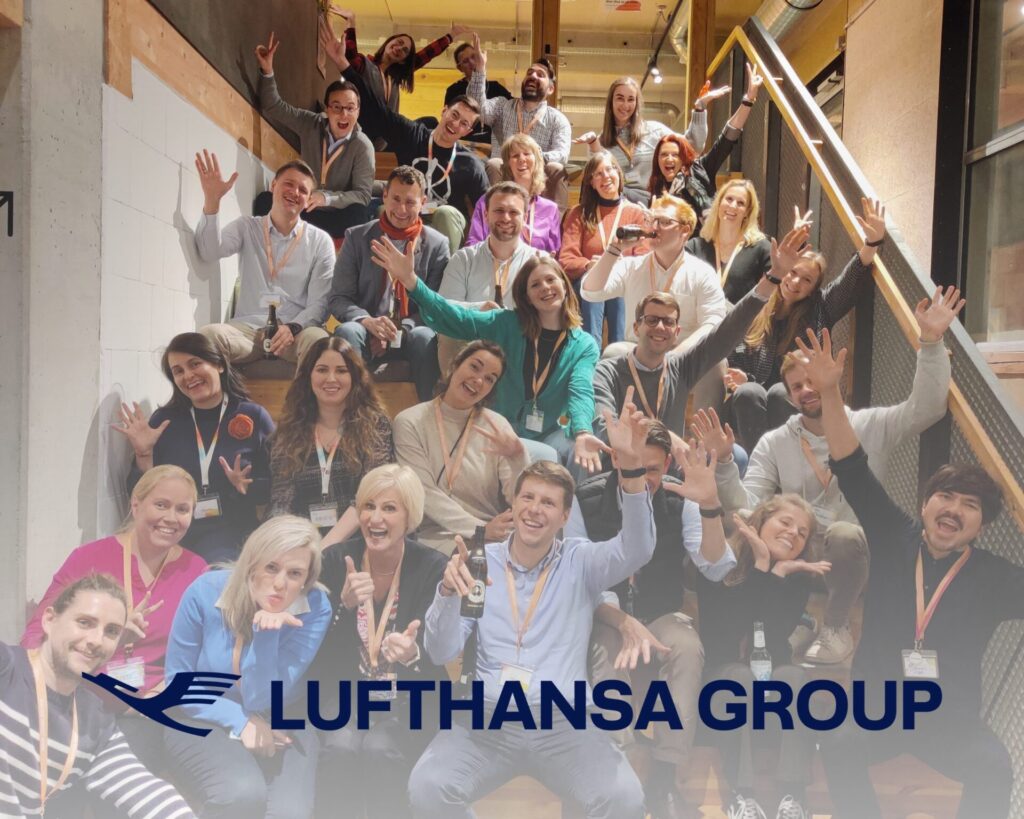
Aviation and logistics is not an easy sector to talk about sustainability. It’s among the largest contributors to emissions and the hardest to transform. Few sectors face as much pressure to change, and at the same time, have the most potential to create change.
Lufthansa Group was well aware of this challenge and had clear environmental, social and governance ambitions written into their strategic priorities. This came not only from the mounting regulatory pressure of EU ESG, but an internal motivation to leverage their expertise and reach to do things differently – and in doing so, show the industry the way.
The aviation group already had an established network of sustainability champions. What was missing was the infrastructure, knowledge and resources needed to enable those employees to drive the shift from ambition to implementation.
That's where Impact Hub Berlin came in, alongside The DO School, to implement the Green Explorers Programme.
24 January
15 January
18 July
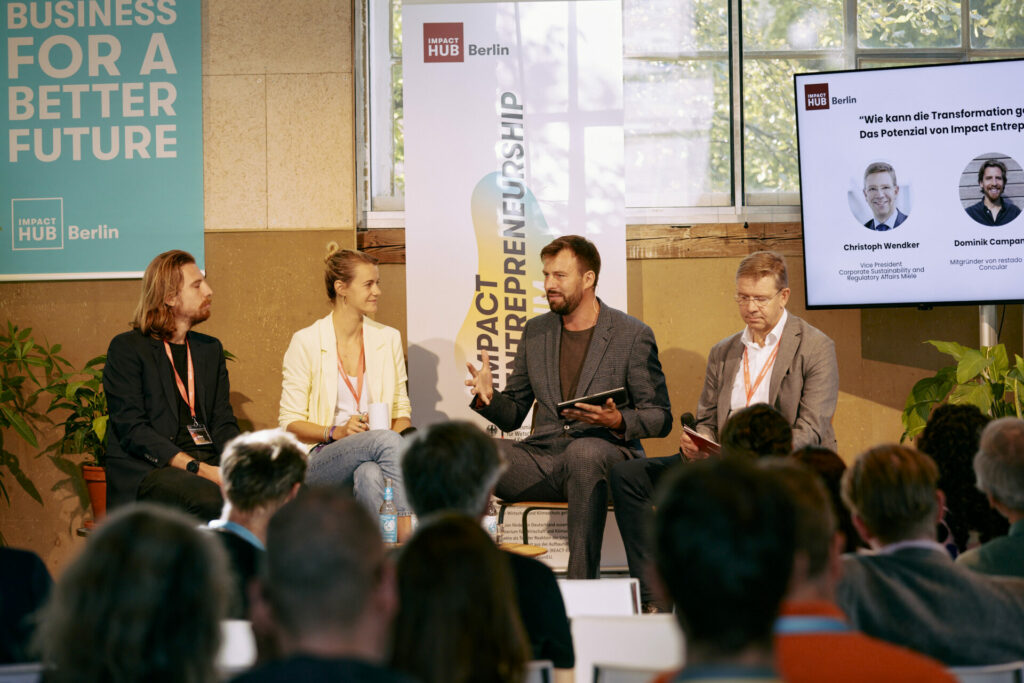
As a corporate, government agency or other stakeholder, organising conferences sustainably can be challenging. Here, we share some tips to help you walk the walk, while you talk the talk to make the world a better place.
10 July
19 June

Artificial intelligence is changing the way we live and work dramatically. Impact entrepreneurs try to harvest the force of AI for the fight against climate change and as a help to fasten the decarbonisation of the industry. But what about AI’s environmental impact? This blog explores the upsides and downsides of AI when it comes to carbon emissions.
13 May

Coworking spaces have become hubs of innovation and collaboration, where impact entrepreneurs and changemakers converge to exchange ideas, share resources, and co-create positive change in our world.
In this blog, we’ll explore everything there is to know about coworking spaces – from how they’ve evolved to who uses them, how they benefit their members, how to make a sustainable choice, and the tips to find the right coworking space for you.
25 April
11 April
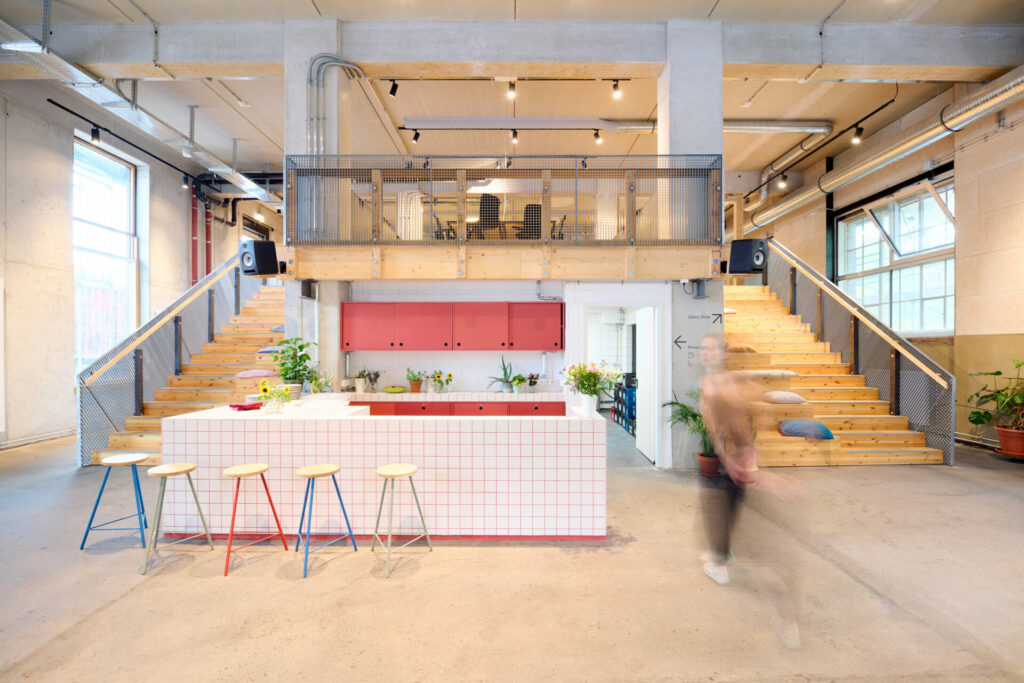
In recent decades, sustainability has become a fundamental principle driving societal change, across a myriad of different sectors. Within the realm of coworking spaces, this ethos is gaining significant traction as changemakers seek to align their values with the places they work from.
In this blog, we’ll explore how a sustainable coworking space is about more than just its eco-friendly operations – it’s about a dedication to sustainable design, resource-sharing, and social responsibility.
5 April
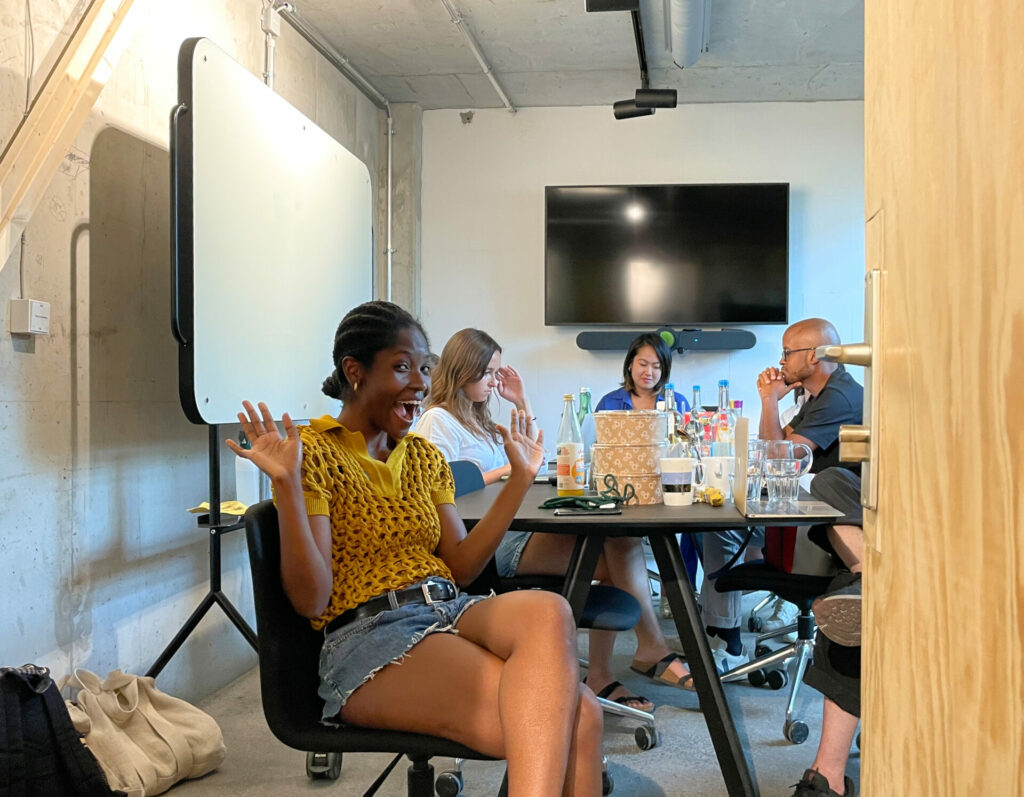
Coworking, in its simplest form, is a shared space where people come together to work productively. But, when someone asks: What is a coworking space? It can come to mean so much more than just the physical environment.
In this blog, we’ll look at the different types of spaces that can accommodate a coworking environment, the people who use coworking spaces, exactly how a coworking space works, and some coworking etiquette tips that will be good to know before you start working in a coworking environment.
27 March
Climate tech innovation must – and, according to our research, will – keep driving forward this year. Or else, we will fail to reach climate action targets or stay within planetary boundaries.
In the Climate tech sector regulators are being shocked into the realisation that they will not be able to live up to their promises unless they support a faster green transition.
Changemakers are finding their calling in impact investing and entrepreneurship. With smaller teams, a clear mission and more agile processes, startups are perfectly positioned to react to these trends and create the tech that the world and corporates need.
19 March
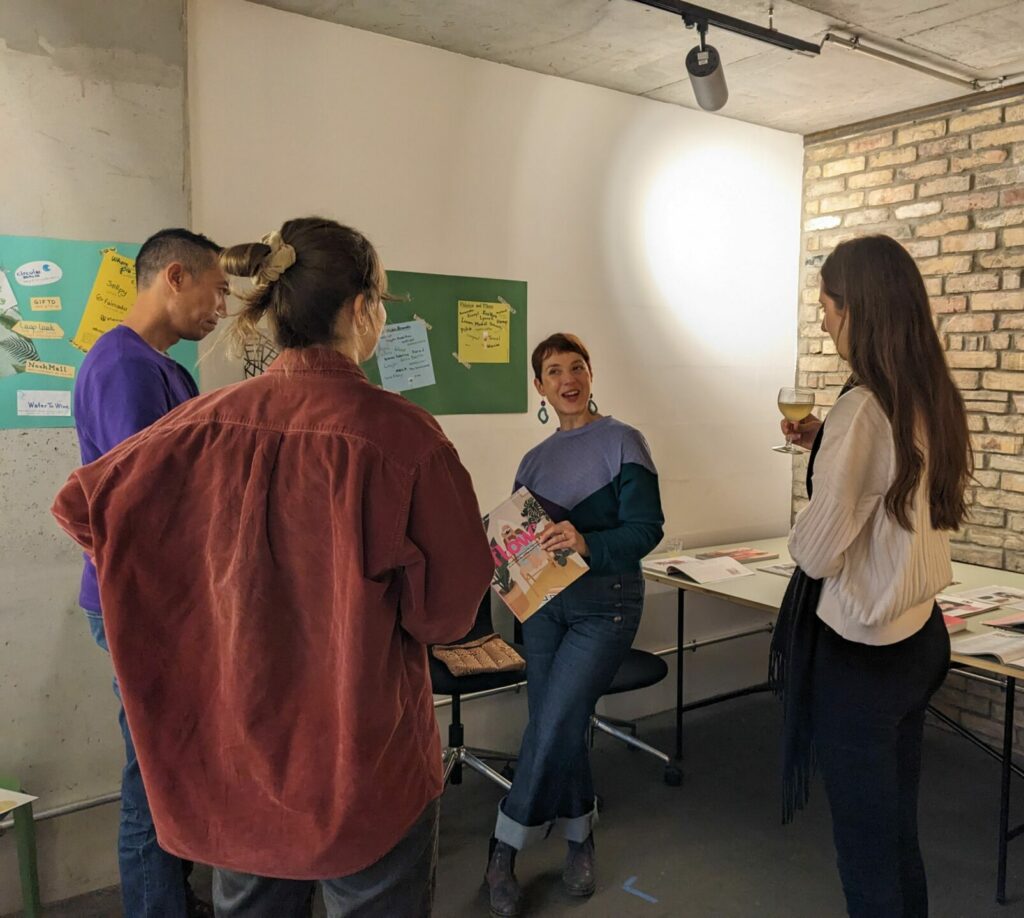
Community is one of the biggest benefits of coworking spaces. Here’s how we promote community within our spaces.
12 March
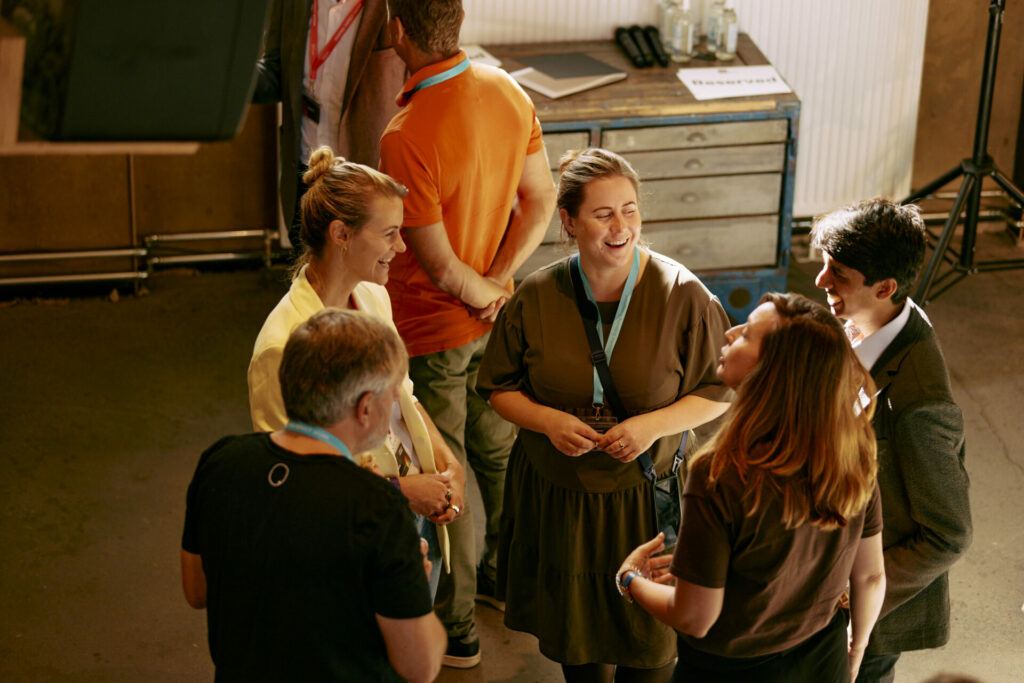
There’s a coworking space out there for everyone. From virtual to communal, the world is your oyster when it comes to finding a space to work from.
The harder part is narrowing down what the best coworking space looks like, for your own individual needs. We’ve put together five key points to consider when comparing the myriad of different coworking spaces available to you. After reading this list, you’ll be better equipped to make a decision about what you want and need from a shared working environment.
23 February
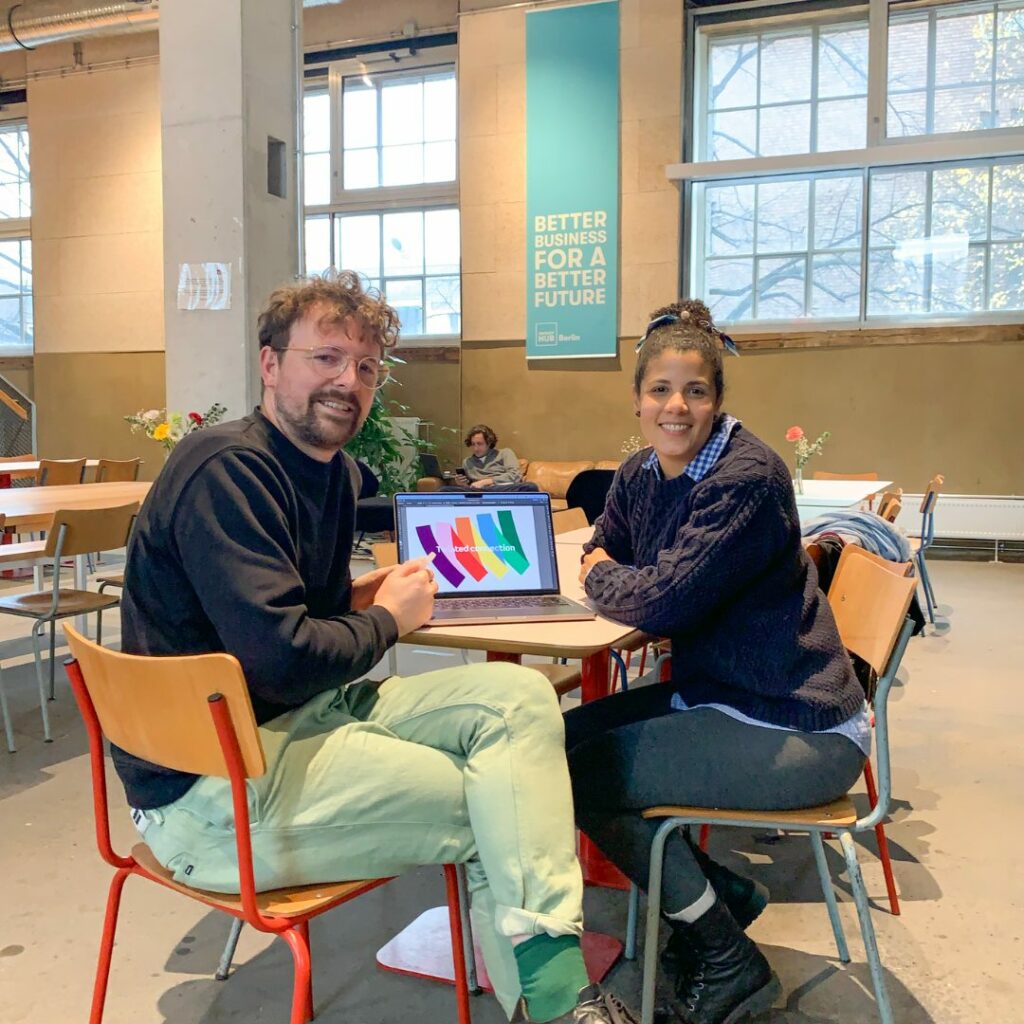
Today’s coworking space accommodates a variety of needs, with models and memberships constantly evolving to adapt to changes in demand. There’s something for everyone – whether you’re an entrepreneur looking to collaborate with other changemakers or you’re a small team wanting the vibrancy of a coworking space without losing your close-knit team environment.
25 January
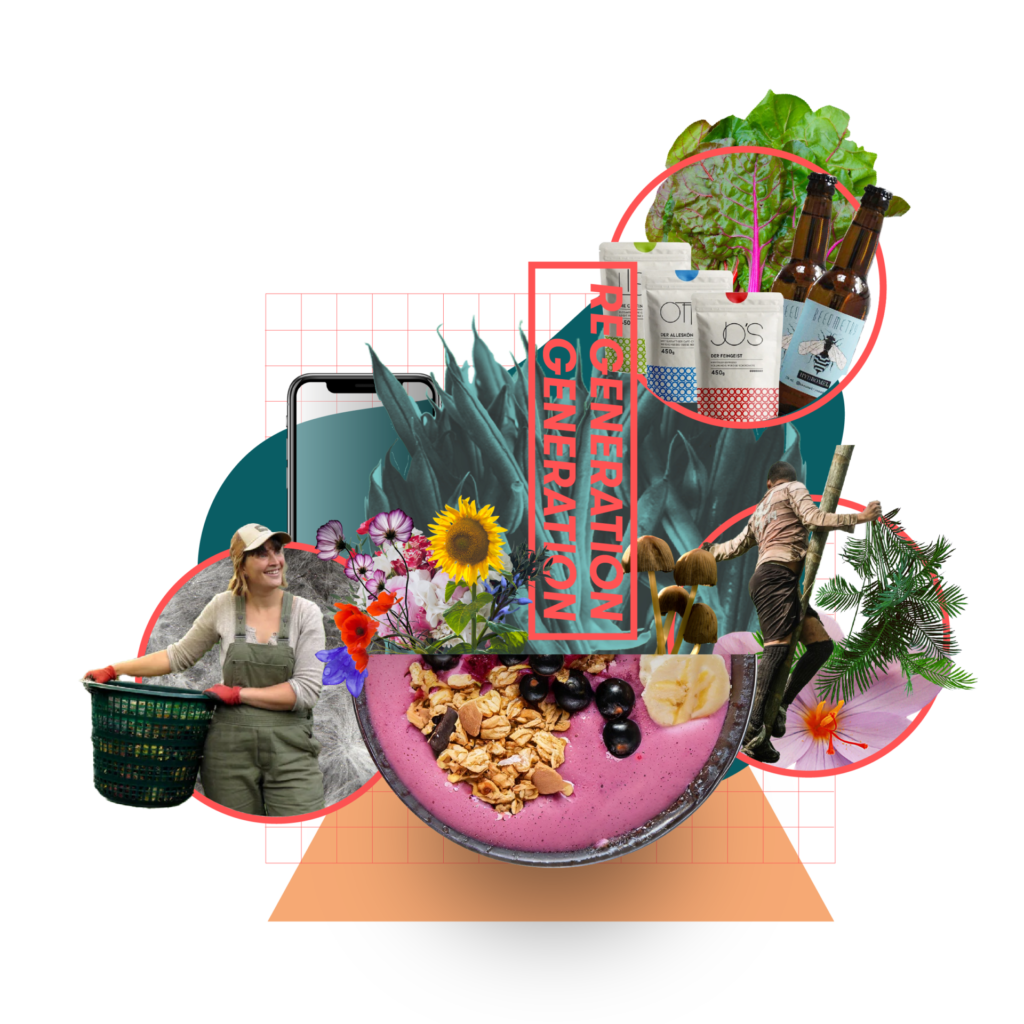
How do we transform our food systems according to circular and regenerative principles, and how do we do it through collective action and radical collaboration? This is the questions that the Sustainable Food ecosystem at Impact Hub Berlin is dedicated to, and the question we addressed in the Sustainable Food track at our first Impact Entrepreneurship Forum last September. In several round table discussion, we put the sustainable food trends that we uncovered in collaboration with TrendWatching last August, back into the hands of food system innovators and other stakeholders, who have the power to transform trends into meaningful action.
15 January
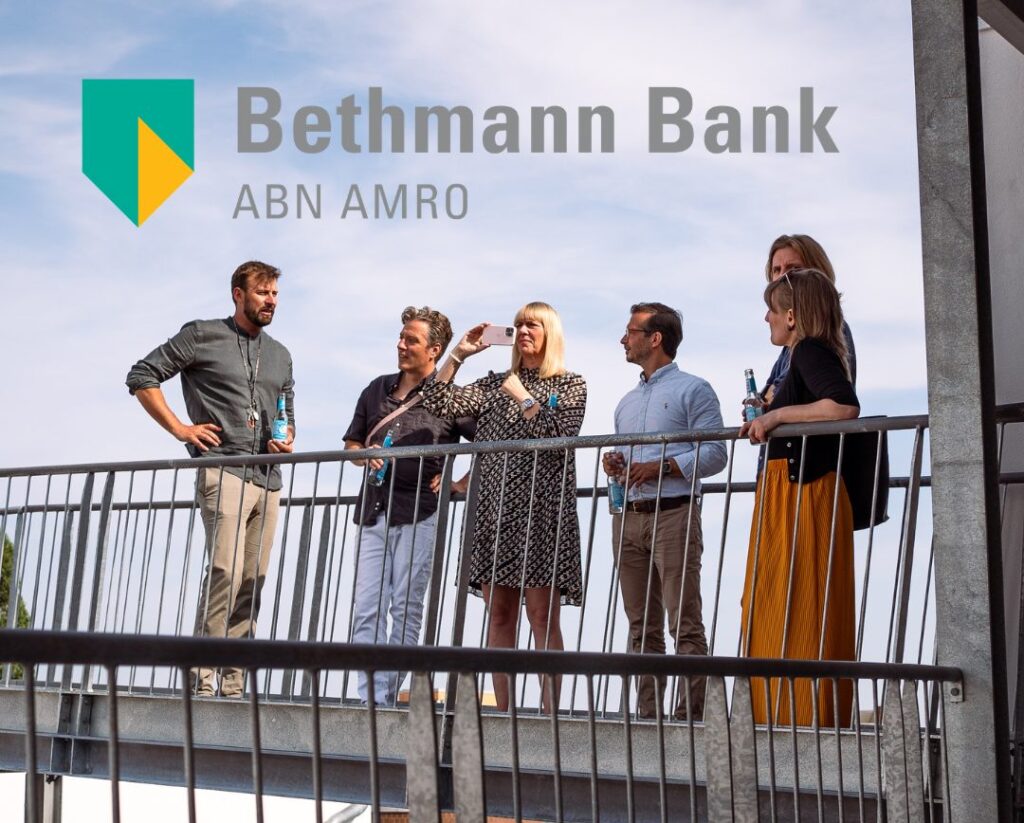
Private banking and impact entrepreneurship aren’t often considered allies. One operates within centuries-old structures of wealth management and financial stability. The other is defined by challenging the status quo and placing purpose on an equal standing with profit.
And yet, when you think about what the transition to a more sustainable economy actually requires, it becomes clear that these two worlds need each other.
Bethmann Bank saw that early and since 2019, Impact Hub Berlin has been helping them bridge the gap between traditional banking and the impact ecosystem.
20 December

At Impact Hub Berlin, green tech startups from all over the world can find their home. We’ve dedicated one of our four ecosystems to green tech as well as our next Impact Incubator, which will run early next year. We’re building a collaborative community of tech innovators every day, ensuring they receive access to everything they need, to foster entrepreneurial action. With access to maker spaces and labs, green tech startups at Impact Hub Berlin can research, develop, and prototype their ideas. With networking and matchmaking with varied stakeholders in the ecosystem, they can make the right connections to effectively scale.
30 November

The holiday season is a great time to reflect on how our purchasing decisions impact the environment and our society as a whole. Being a conscious consumer means reflecting on what you need and then choosing the people or businesses whose products and services reflect your own core values.
That’s why we’ve put together this list of changemakers from within our community who offer innovative, sustainable, and inclusive products and services that have a positive social impact on our world. There’s plenty of fantastic sustainable gifts and ideas - take a look!
17 November
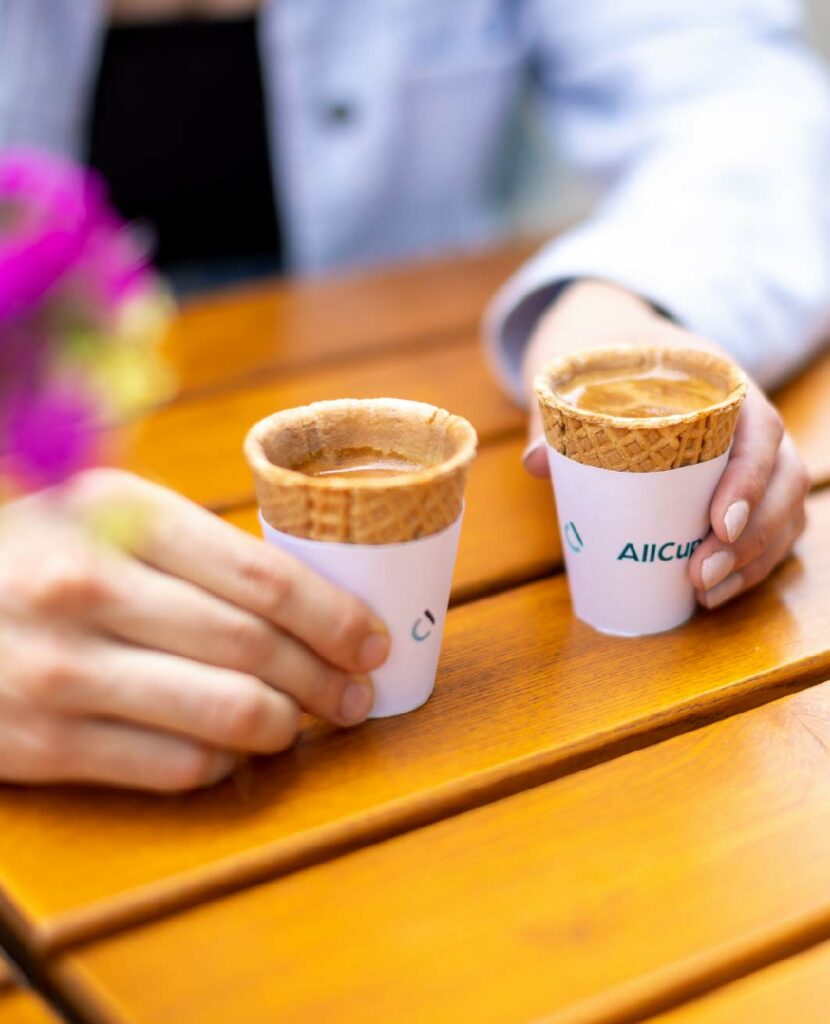
Sustainable packaging has taken many forms, from edible to biodegradable, and is an opportunity field that sparks creativity and innovation – it's also one we dedicated our most recent ImpAct Accelerator to! Today, we provide an insight into current packaging trends capable of providing solutions to environmental challenges and connect the dots on how the packaging sector will be shaped by upcoming regulations and market drivers.
5 October
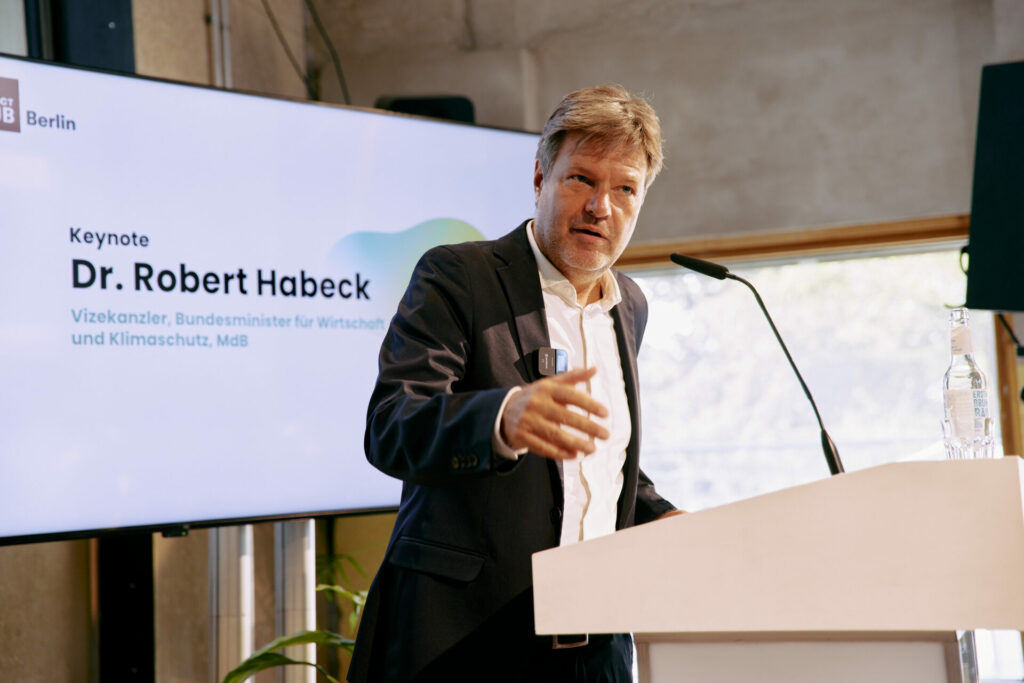
Now that impact entrepreneurship is no longer a niche topic, but instead recognised as a central economic force for innovation and sustainability by Germany’s highest politicians, it’s time to take it to the next level and begin a period of new seriousness. With this impulse, our founder Leon Reiner opened the first Impact Entrepreneurship Forum – a day guided by goal-oriented attitudes and a solutions mindset.
31 August
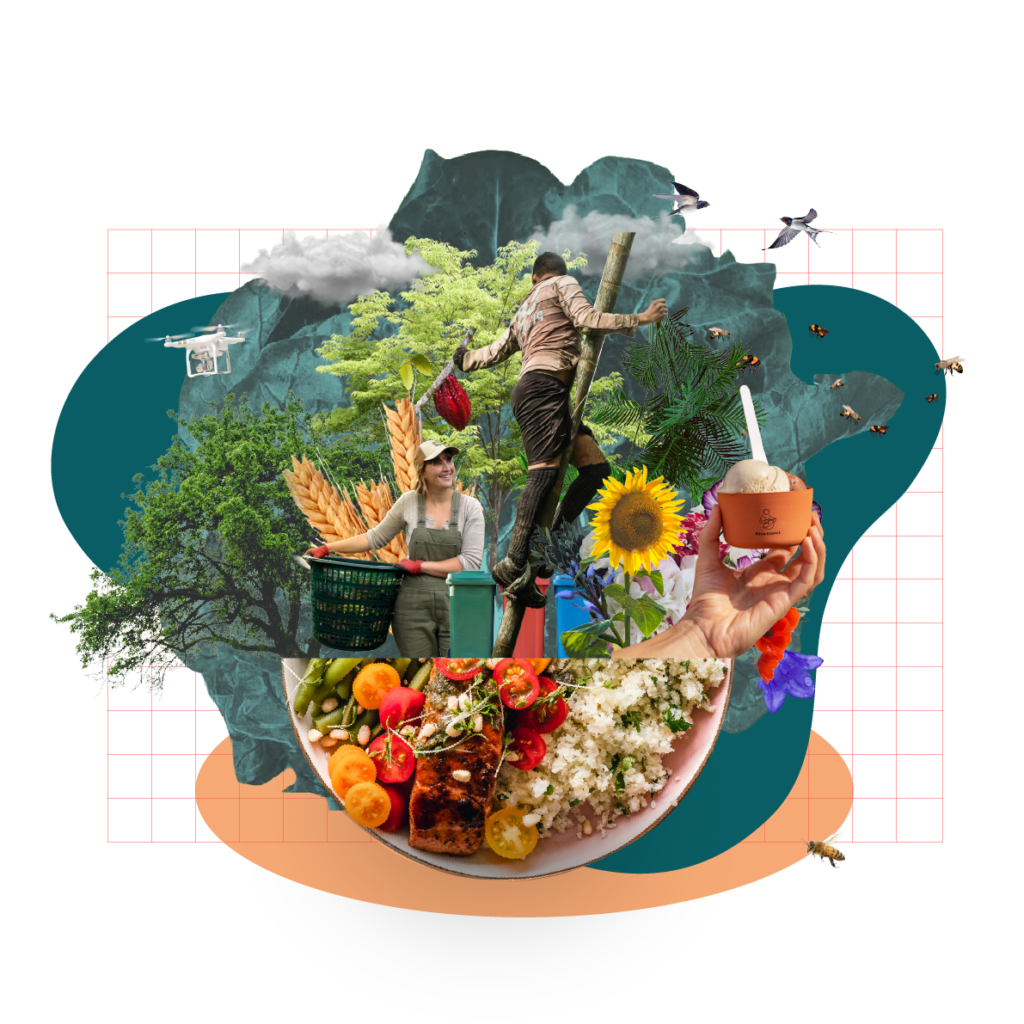
Trends drive transformation and radical change. They are the undercurrents sweeping our work at Impact Hub Berlin and changemakers around the globe towards the future. Trends create new realities and knowledge of those trends can enable us to shape those realities. This is as true for sustainable food, as it is for circular economy, green tech or diversity, equity and inclusion — the other ecosystems that Impact Hub Berlin is helping to shape with our partners and ventures.
4 August
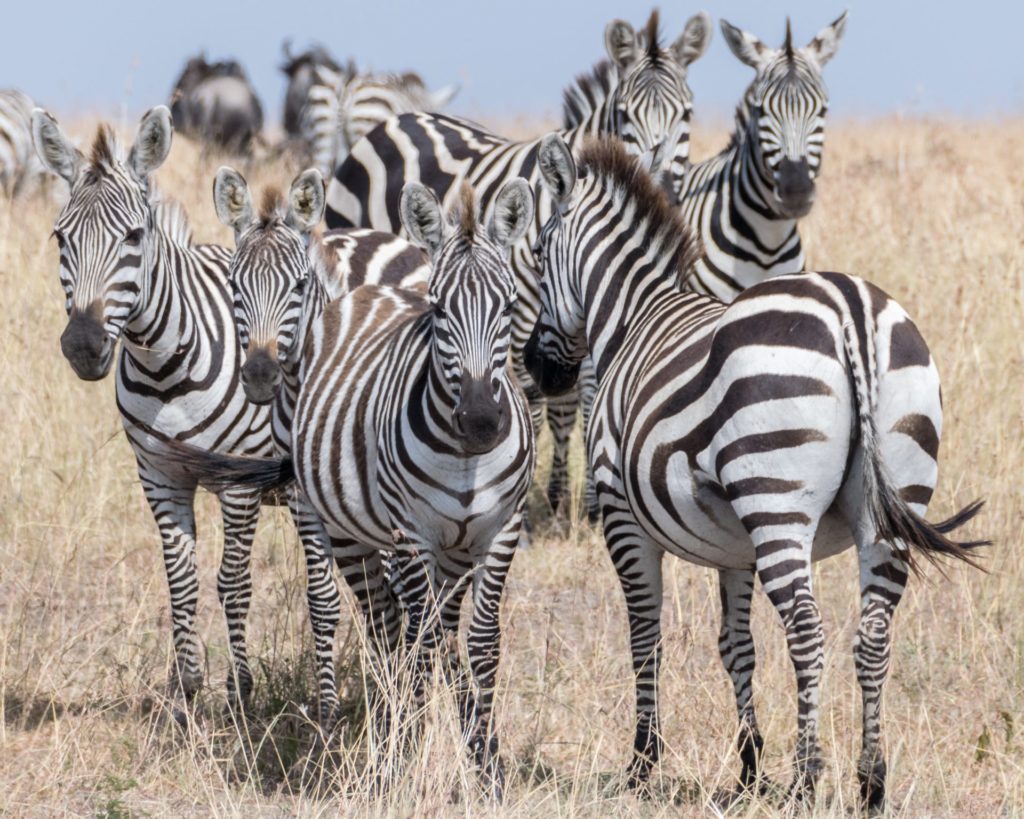
This year the Impact Hub Berlin community celebrated the success of its very first ZebraCorn! This new super rare “species” can be classed as both a “zebra” and a “unicorn” – a startup that’s valued at over USD 1 billion and works to improve society and make a sustainable difference.
14 July
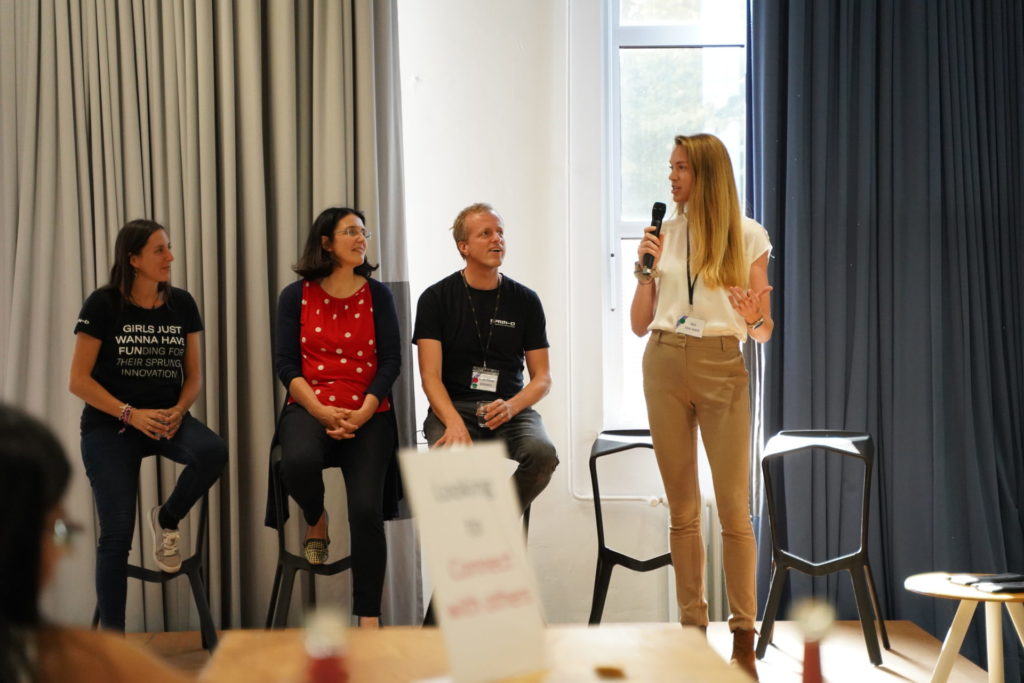
In March, Impact Hub Berlin attended the Women Supporting Women in Green Tech & Climate Innovation networking event, organised by Unique-U Coaching and Climate-KIC and hosted at the British Embassy Berlin.
13 June
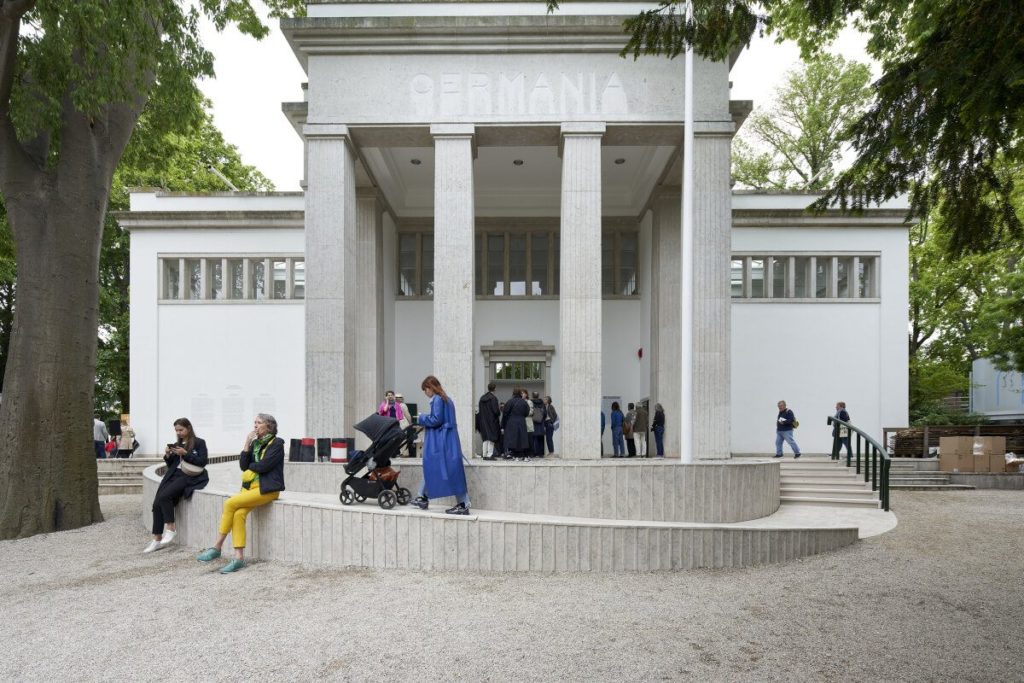
May 2023 marked the start of the esteemed 18th International Architecture Exhibition — La Biennale di Venezia in Italy. In this year’s German Pavilion, “Open for Maintenance,” Impact Hub Berlin was honoured to represent an important aspect of contemporary architecture - circularity.
4 May

In this article, we explore how the two concepts of circular economy and biodiversity interact by looking at the impact that the current biodiversity loss has on our economies and societies, and how circular economy principles can help to tackle this crisis.
24 April
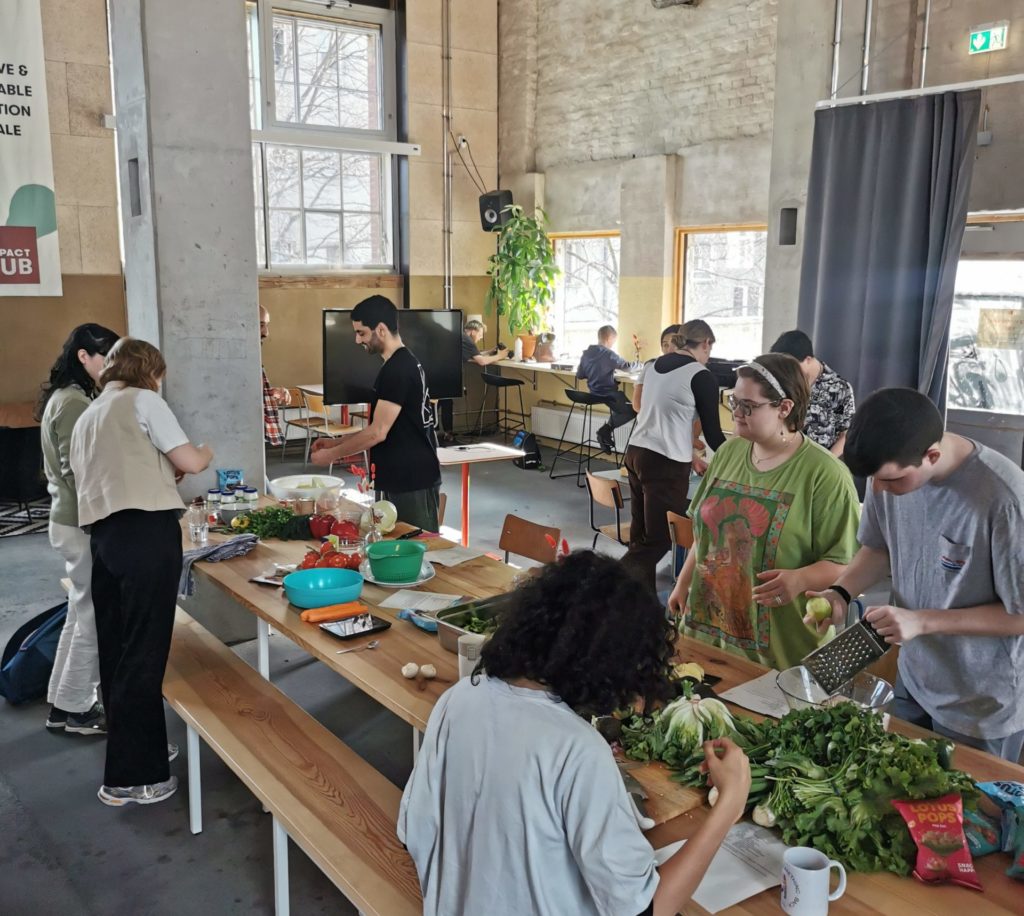
Bringing people together through food and social cooking at Open Kitchen, hosted at Impact Hub Berlin.
21 April
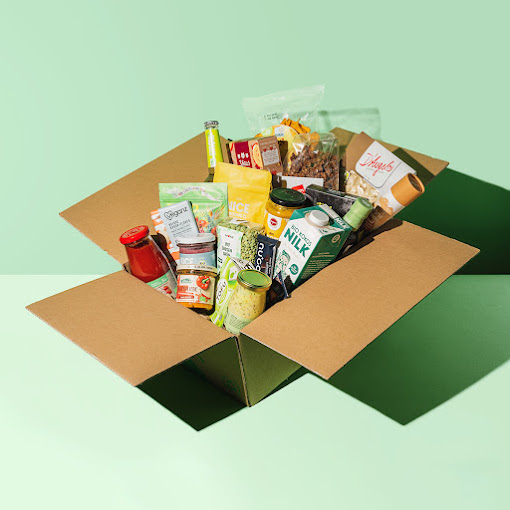
In order to fight sustainability issues worldwide, circularity in cities becomes of ever-more importance. Startups can be agents of change, by disrupting business-as-usual through new ideas and innovations. Berlin offers startups a favourable environment for circular entrepreneurship, resulting in a vibrant and innovative startup scene. In this article, we present eight innovative startups from Berlin and highlight how they have changed or will change their industries.
16 March
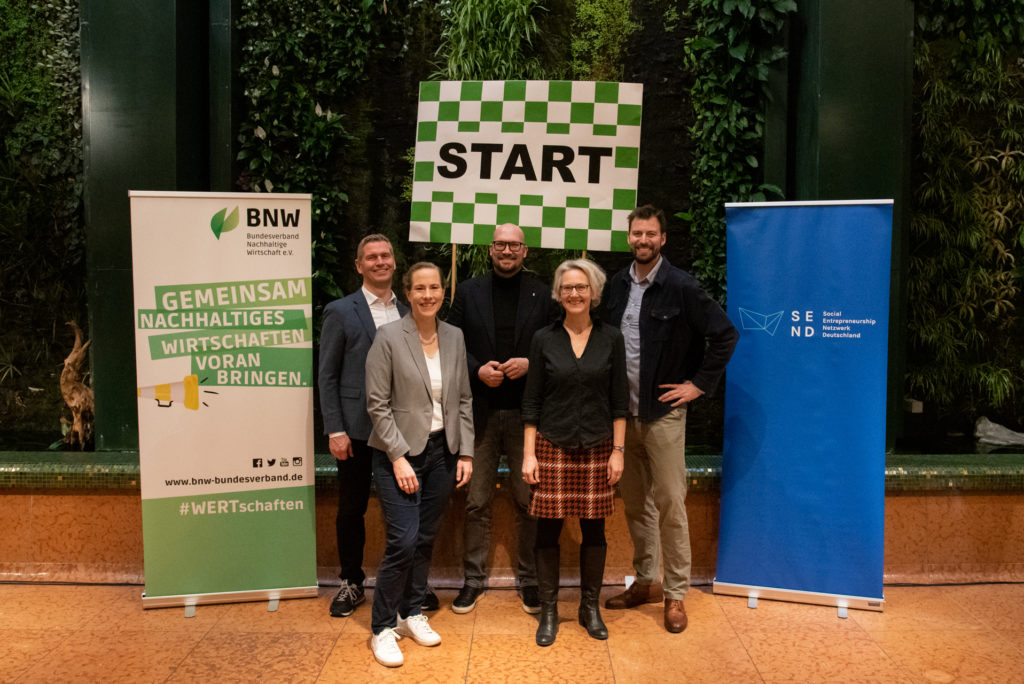
This week the German Sustainable Business Association (BNW), Social Entrepreneurship Network Germany (SEND) and Impact Hub Berlin GmbH proudly launched the Place for Sustainable Business in Berlin (Ort für Nachhaltiges Wirtschaften) — a project funded by the Senate Department for Economics, Energy and Business that helps businesses in Berlin transition towards more sustainable practices, increases the visibility of sustainable business and promotes cooperation to shape tomorrow's economy.
10 March
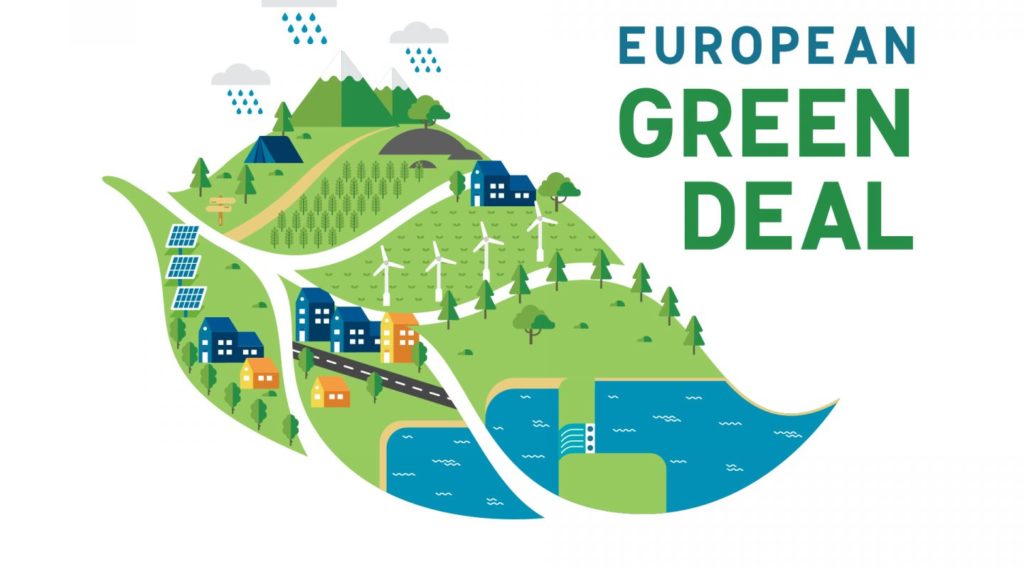
Policies and regulations play a key role in creating an enabling environment for a circular economy. We conducted an assessment of current legislative trends and developments, and investigated how they will push circularity forward – here in Berlin, on a national level and beyond.
9 March
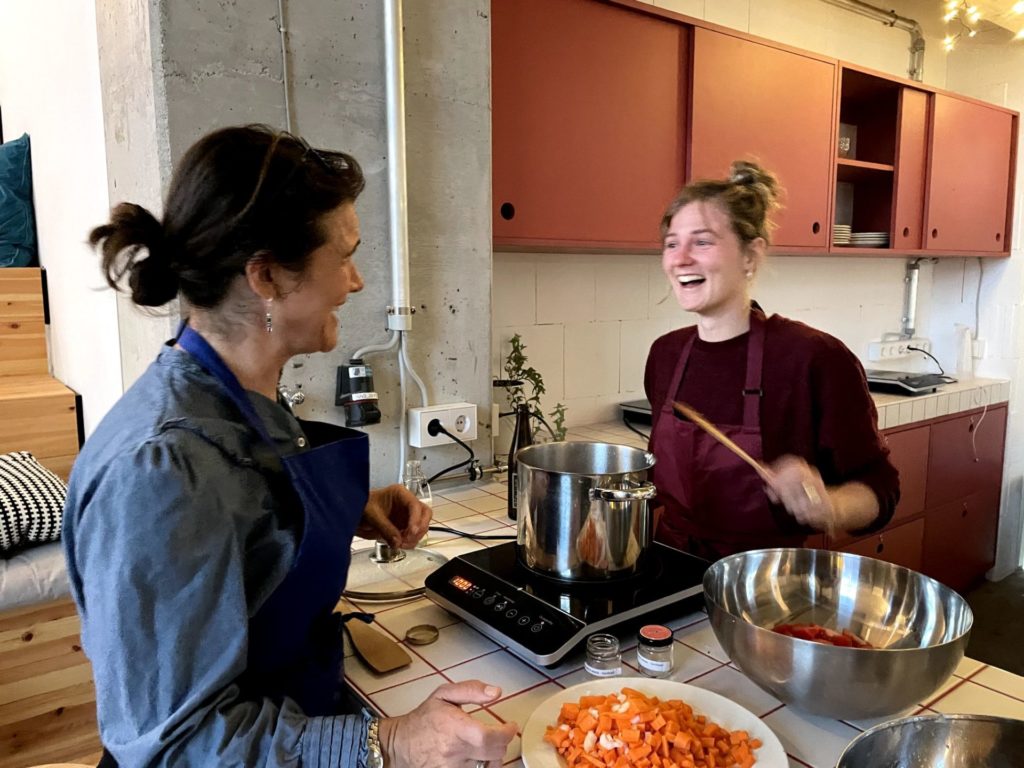
We are now into the last week of applications for the fourth batch of our Feeding the City incubation programme!
Feeding the City is our six-month online incubation programme, developed in partnership with industry experts, designed for Germany-based teams that are working to bring their sustainable food solutions to life. We sat down with two participants of last year's cohort to ask them how Feeding the City supported and developed their sustainable food ideas.
28 February
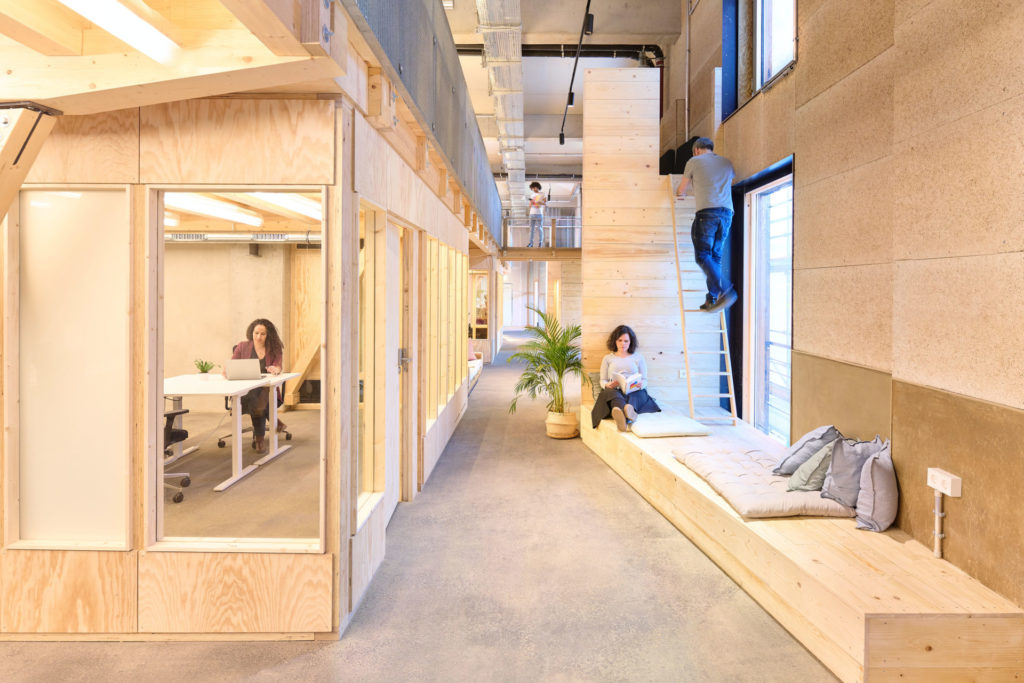
In February 2023 Impact Hub Berlin celebrated one full year since we threw open the doors to our state-of-the-art circular co-working space!
It was our dream to build a workplace which reflected our values, and we are proud to say we have achieved this with our new home: the CRCLR House — a sustainable co-working hub built to support our changemakers, impact startups and partners.
24 February
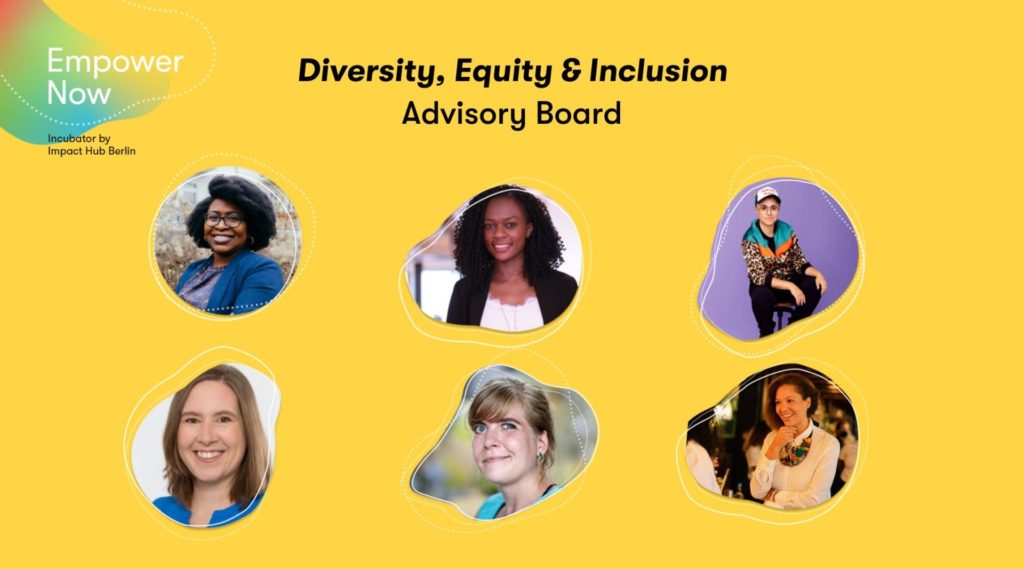
Impact Hub Berlin’s brand new DEI advisory board is dedicated to supporting FINTA* founders in the field of participation and empowerment. Click here to learn more!
31 January
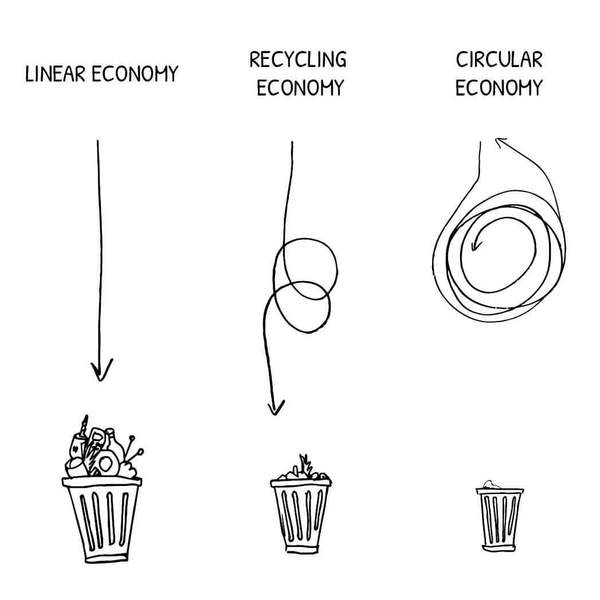
Materials are created and used in almost every industry; from housing to manufactured goods, from mobility to construction. Circular marketplaces are playing a crucial role in the new economy by changing the way we use, manufacture and purpose materials and products. Circular marketplaces are widely recognised alongside second-hand marketplaces — yet circular marketplaces are not only limited to resale products. So what actually is a circular marketplace?
21 November
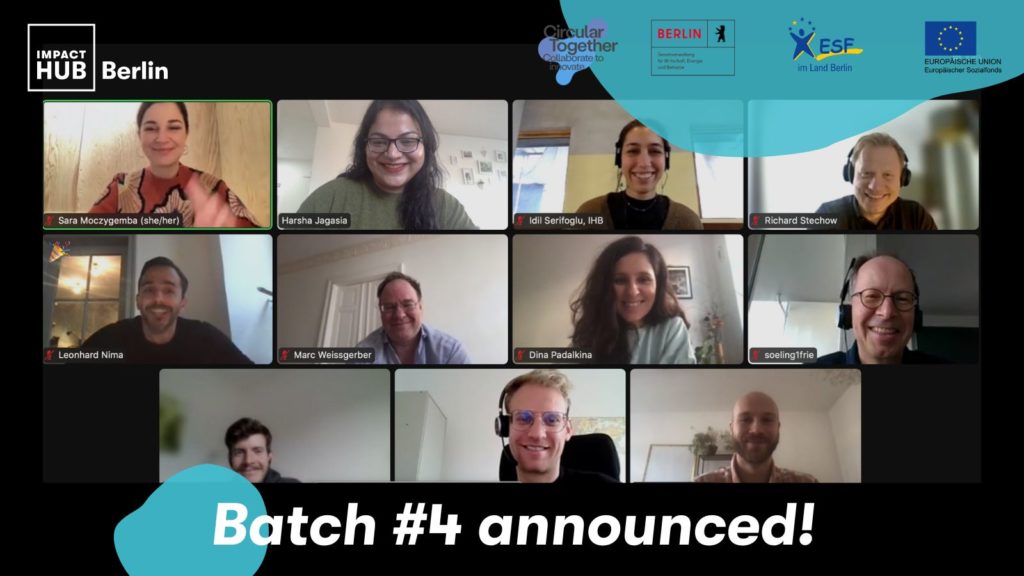
Impact Hub Berlin has chosen and announced the fourth group of Circular Together participants, our early-stage Circular Economy Incubator. With the support of the Berliner Startup Stipendium, Impact Hub Berlin has been running the Circular Together Incubation Programme for the last two years and Batch #4 will be kicking off at the beginning of December 2022!
20 October
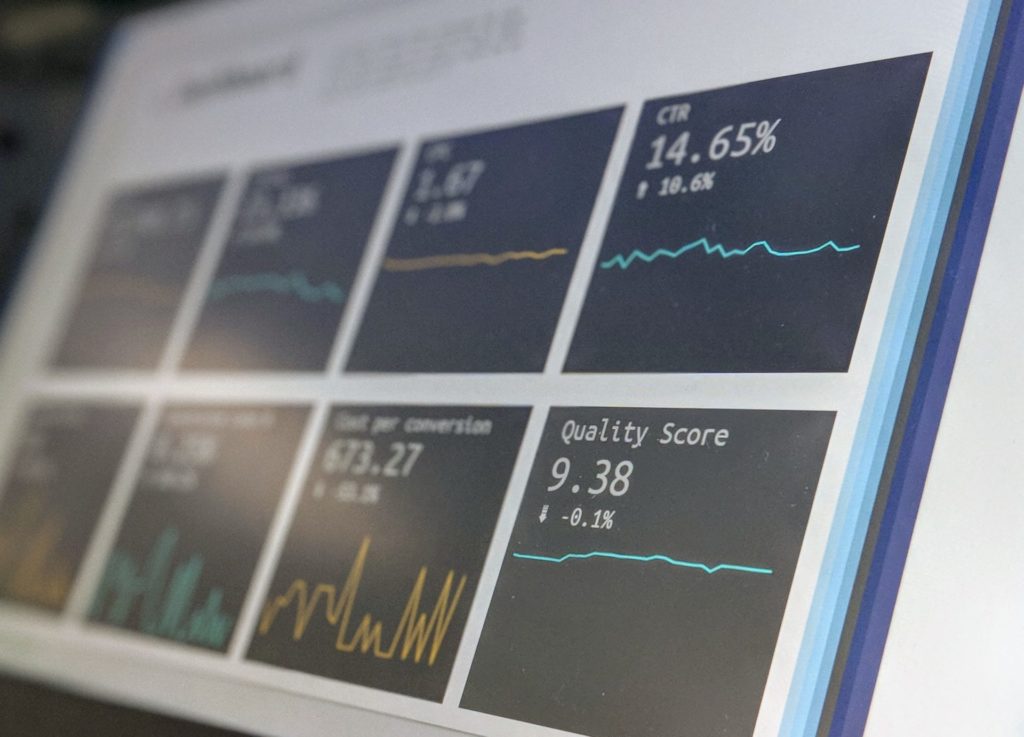
What is the Degrowth theory, and how could it potentially be used to reduce unsustainable economic growth? We explore how degrowth could be used to combat difficult global existential issues, and the theory relates to the circular economy.
13 October
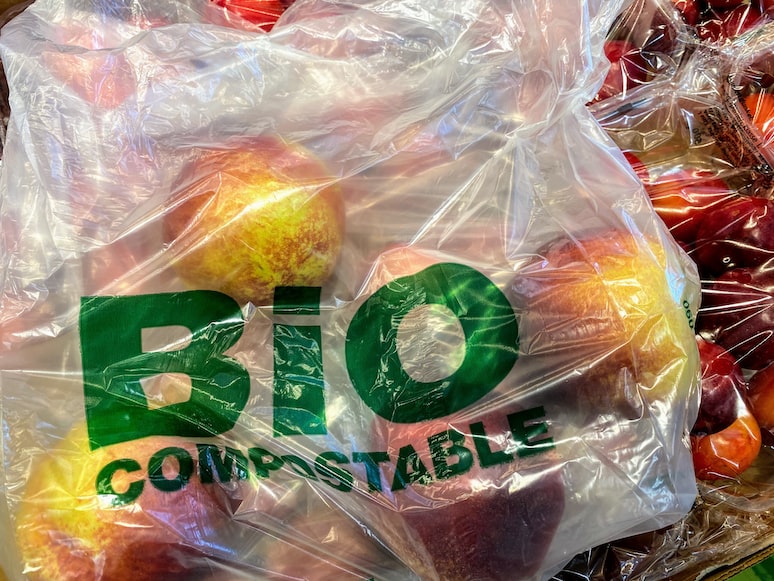
Greenwashing -- coined by environmentalist Jay Westerveld in 1980s -- is a term used to describe false or misleading information about a company's sustainability or environmental practises. What does this look like in the real world? We explore how companies can knowingly (and unknowingly) be guilty of this harmful practise.
5 October
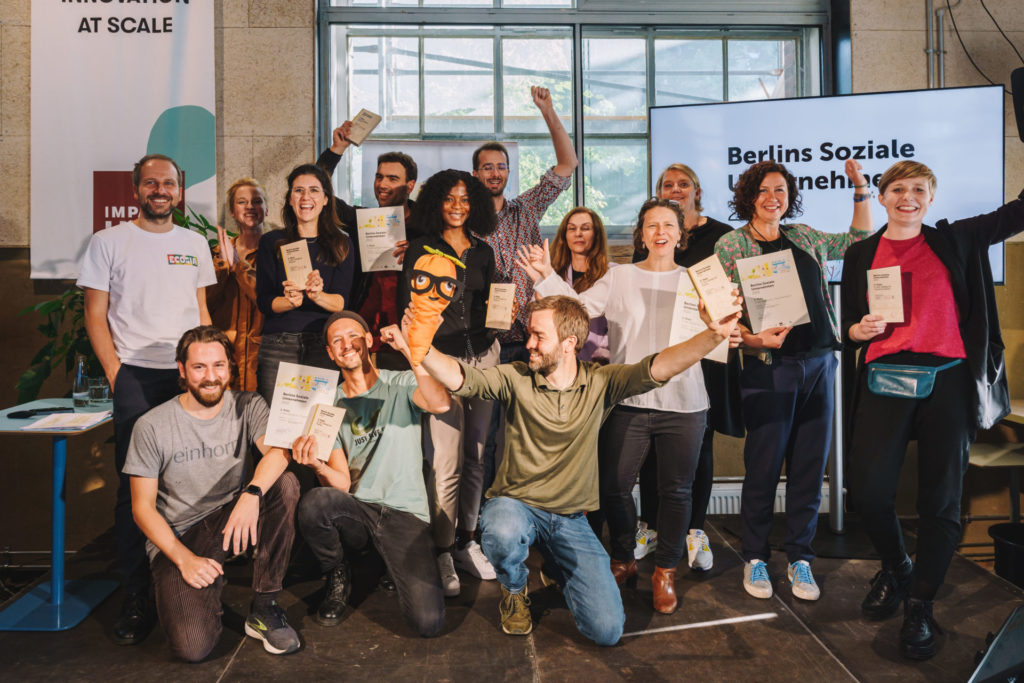
In September the Berlin Senate Department for Economics, Energy and Public Enterprises celebrated nine outstanding social enterprises with a proven track record of positive impact in and around Berlin. In partnership with Impact Hub Berlin and Social Economy Berlin, the Berlins Soziale Unternehmen award is the first of its kind, but hopes to encourage more of Berlin’s start-ups, ventures and enterprises to make social impact an important part of their growth. The event was held at our sustainable, circular co-working space and brought together members of our Berlin community to celebrate social impact and a greener future.
26 September
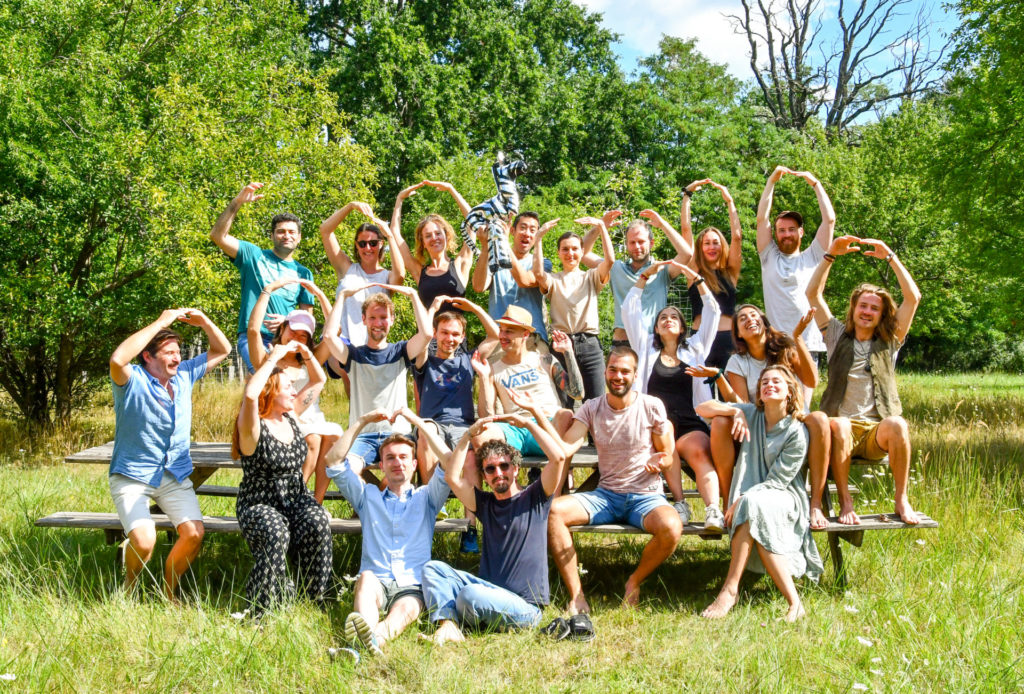
Over the years Impact Hub Berlin has provided support, community, connection and more to changemakers dedicated to making the world a greener and more inclusive space. We meet some of our valued Impact Hub Berlin coworking members across our ecosystems, and ask them about what makes our space and community so special.
20 September
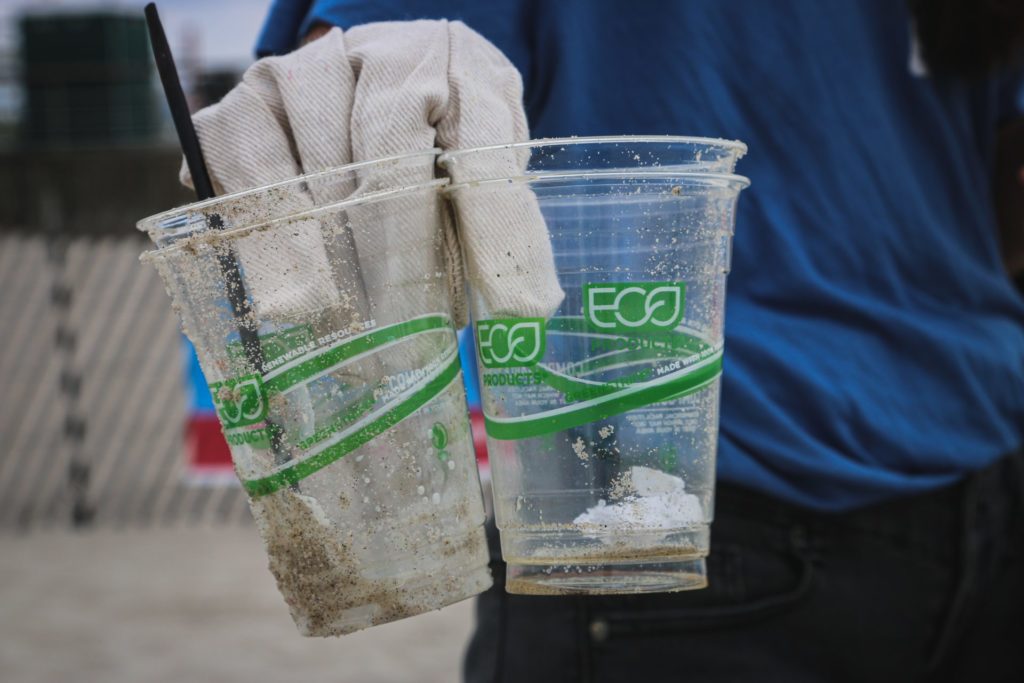
What is "greenwashing" and how do companies use this tactic to deceive consumers and hurt the environment?
Scientists warn about the detrimental consequences for the future of our civilization, linking our unsustainable consumption patterns to increasing economic, social, and climate disruptions. Whether the global sustainability goals will be achieved heavily depends on the capacity of companies to reform, redesign and restructure their business models to minimise their negative impact. Yet, most business leaders appear unfazed when managing their firms and organisations, and their role in achieving sustainability.
16 September
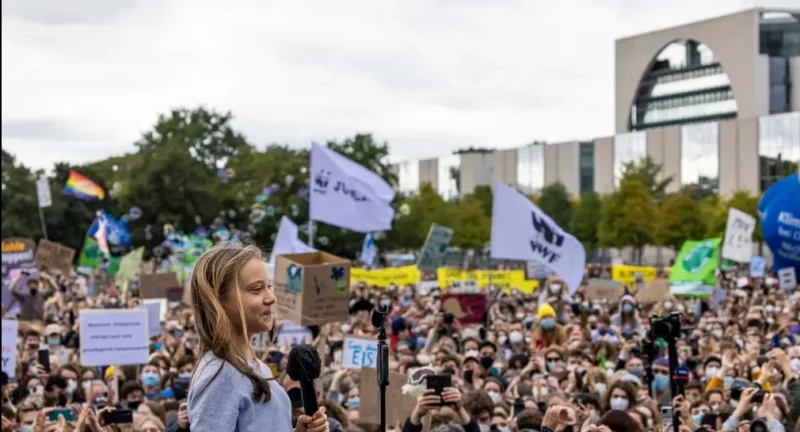
This month, The Global Climate Strike returns to Berlin, and the Impact Hub Berlin community will be there. Here’s why it’s more important than ever.
22 August
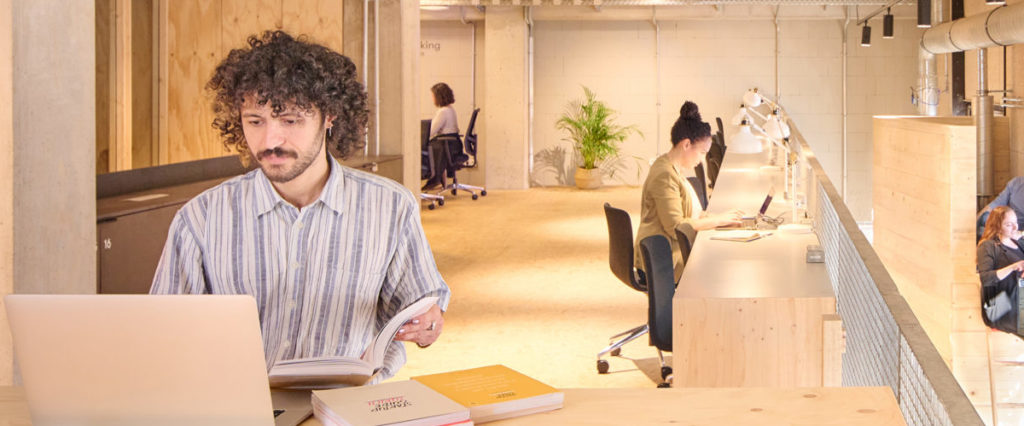
Creatures thrive when they are part of a healthy ecosystem, and the same goes for startups. Startup Guide interviewed Leon Reiner, Impact Hub Berlin's Managing Director, to find out how we are creating ecosystems to support the next generation of impact-driven entrepreneurs.
26 July
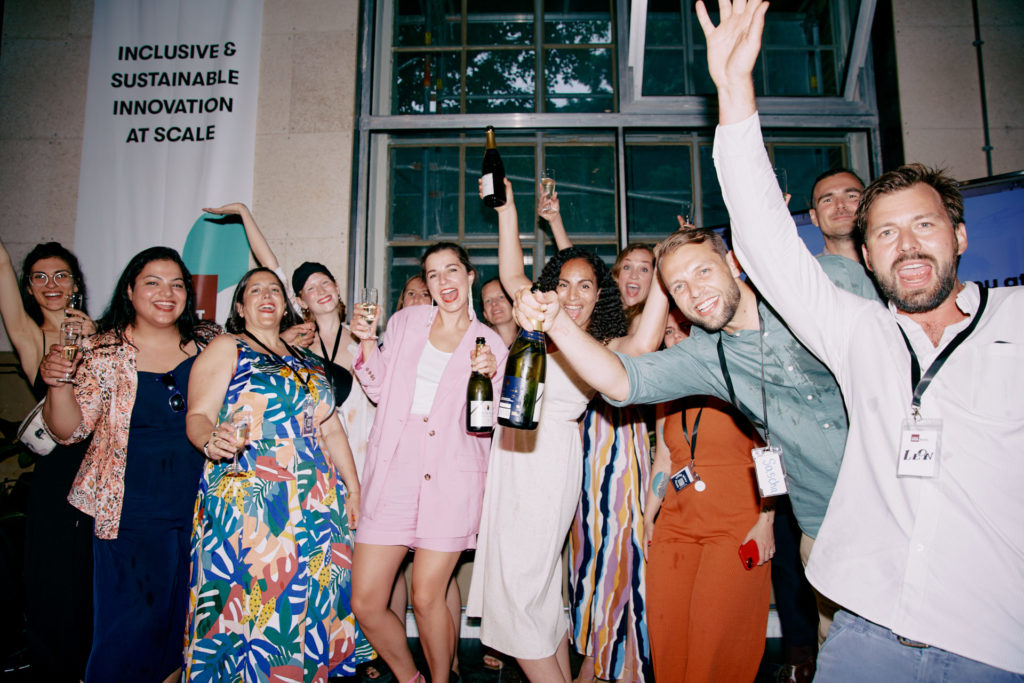
Innovators, entrepreneurs, and curious individuals of all kinds united at the opening party of Impact Hub Berlin’s new circular coworking space under common themes – the desire to change the world for the better, connect with like-minded changemakers, and have some fun.
18 May
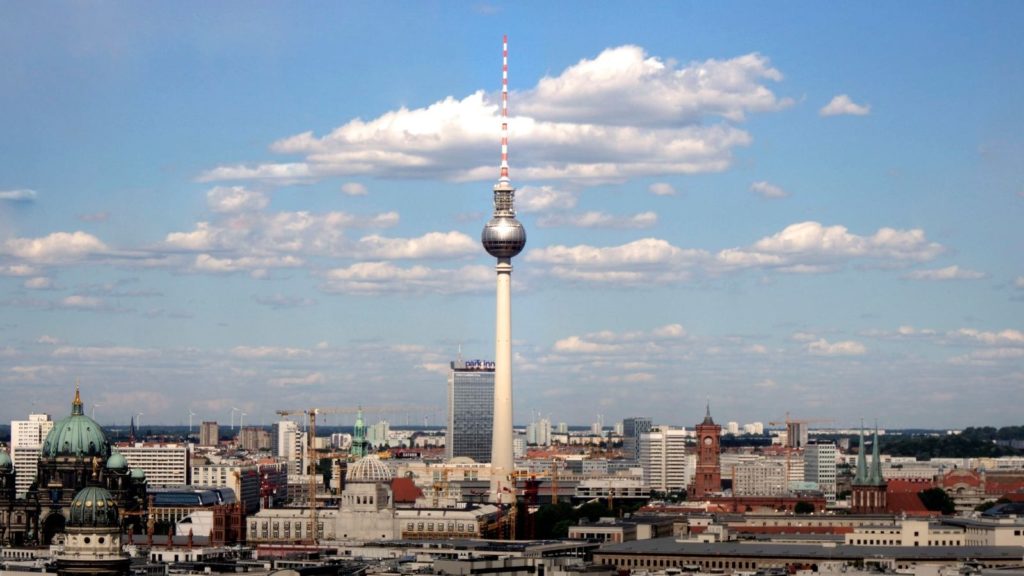
In Berlin – a place that continually reinvents itself – another seismic change is beginning to get underway. The city with so many strings to its bow, not least its melting pot of creative inhabitants, state-of-the-art innovations and alternative culture, is spawning a new generation of entrepreneurs determined to drive the transformation towards a circular economy.
11 April
Impact Hub Berlin is proud to announce its partnership with development agency for agribusiness and rural areas Landwirtschaftliche Rentenbank. Together with Impact Hub Berlin, Rentenbank will support entrepreneurs and innovators to develop impactful solutions and projects within their sustainable food ecosystem, and aid the transition towards a circular food value chain.
11 April
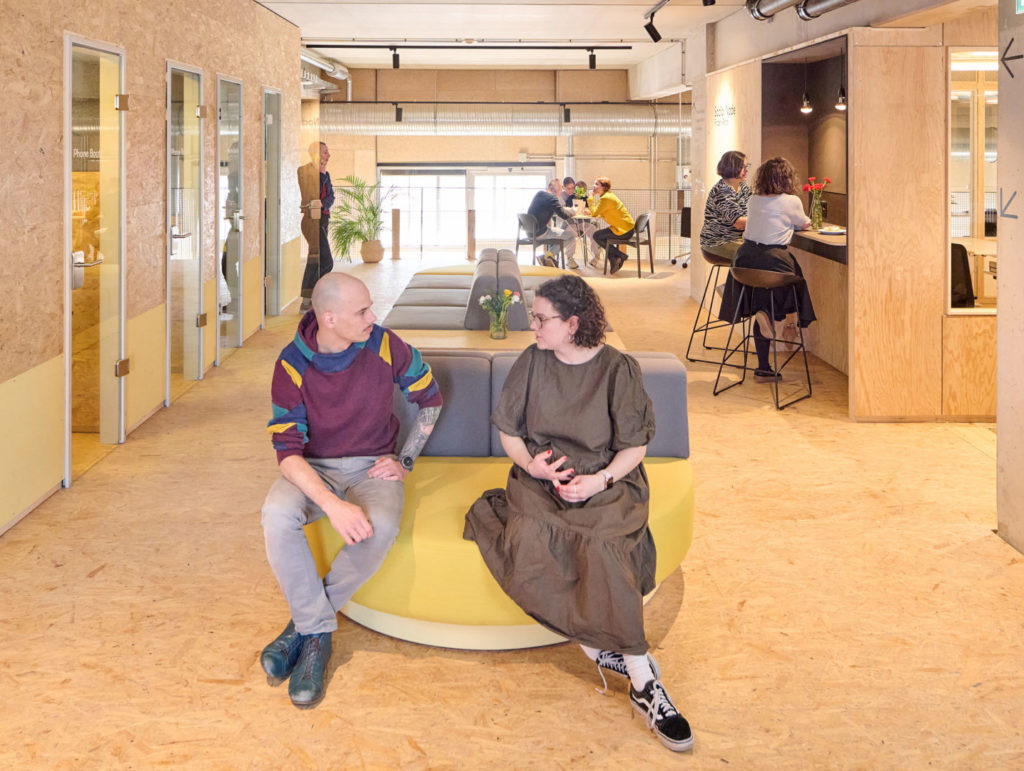
Impact Hub Berlin has opened its new 3,500m2 sustainable coworking space in Berlin-Neukölln to empower entrepreneurs and organisations to co-create innovative solutions for people and the planet. By supporting founders, corporate innovators and institutional changemakers to collaborate through incubators, programming and events, the new Impact Hub Berlin raises the benchmark for the sustainability and innovation ecosystem.
4 April
At Impact Hub Berlin, we know that the transition towards a circular economy is a non-negotiable strategy for ensuring a fair and sustainable future. That's why we put out a call for impact entrepreneurs working on circular economy solutions in Berlin to apply to our Circular Together incubator programme. Now we're excited to introduce you to the selected teams.
1 March
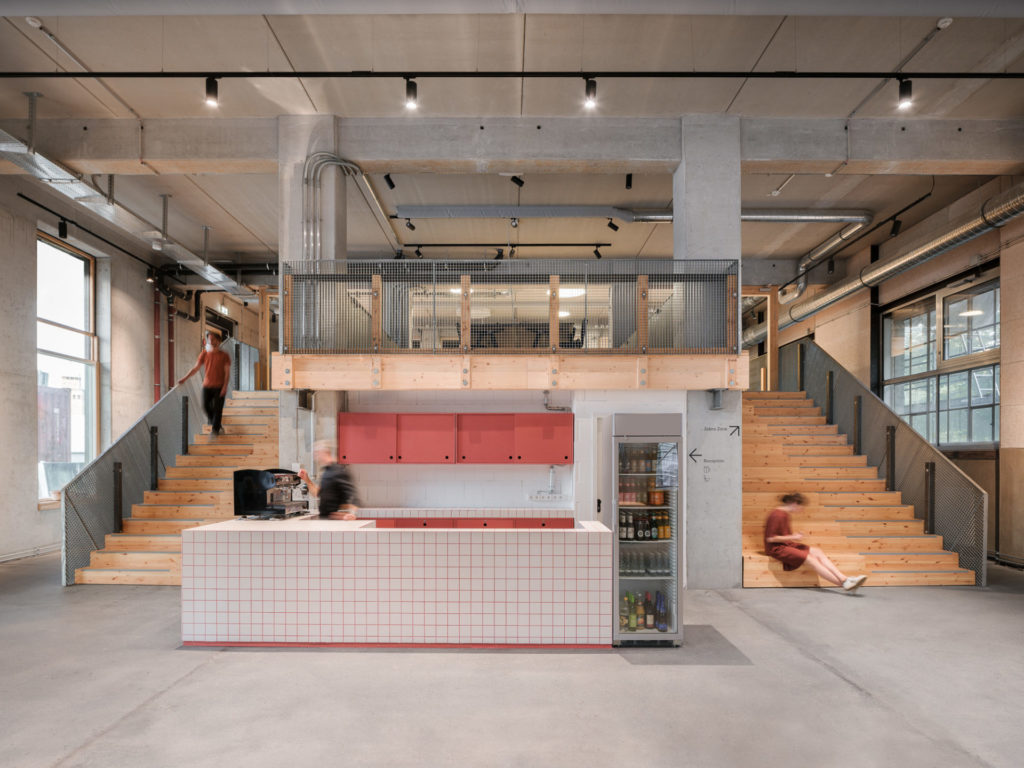
After months of hard work, the new Impact Hub Berlin - built and operated according to sustainable, circular economy principles - has opened its doors to our community of impact entrepreneurs.
25 February
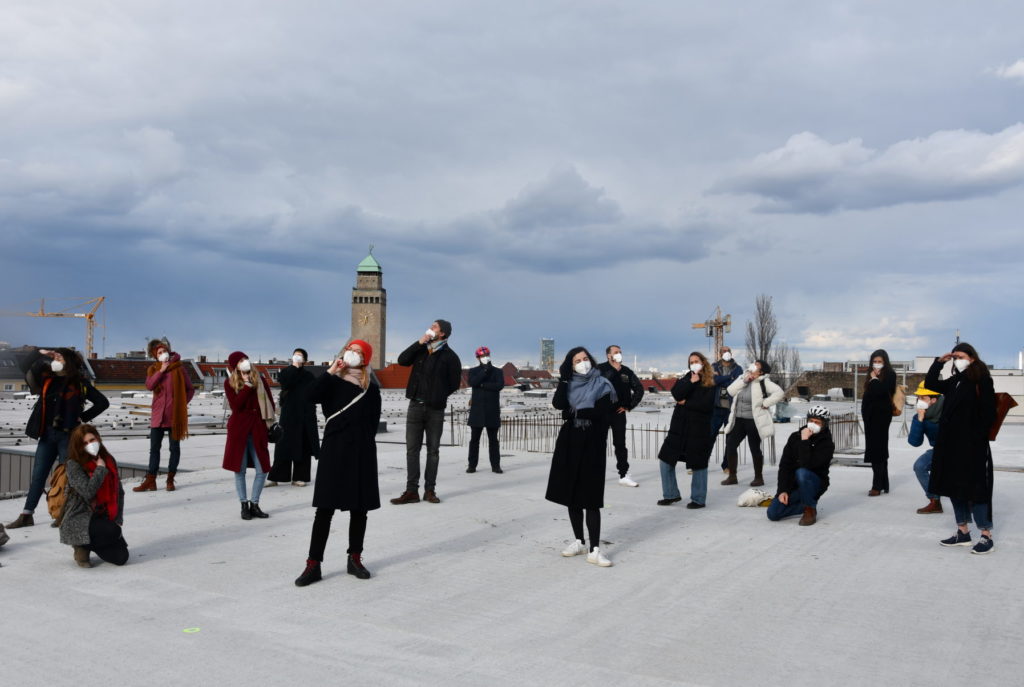
As we start this exciting new year for Impact Hub Berlin, we're very proud that our team is evolving too.
26 January
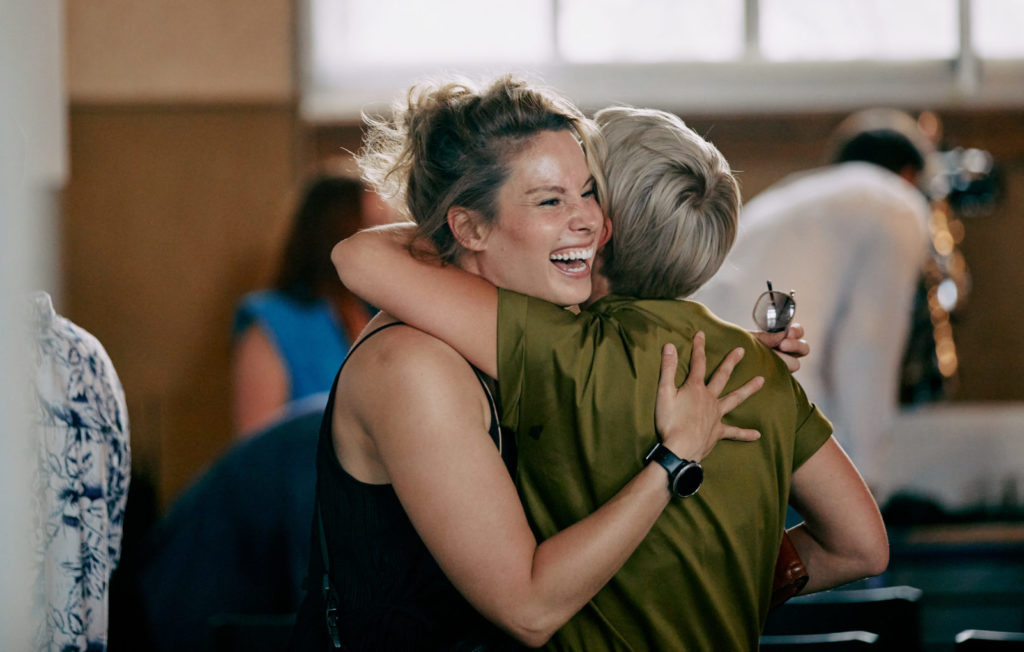
Our second Circular Together programme for circular economy-focused ventures supported nine Berlin-based startups in 2021.
20 August
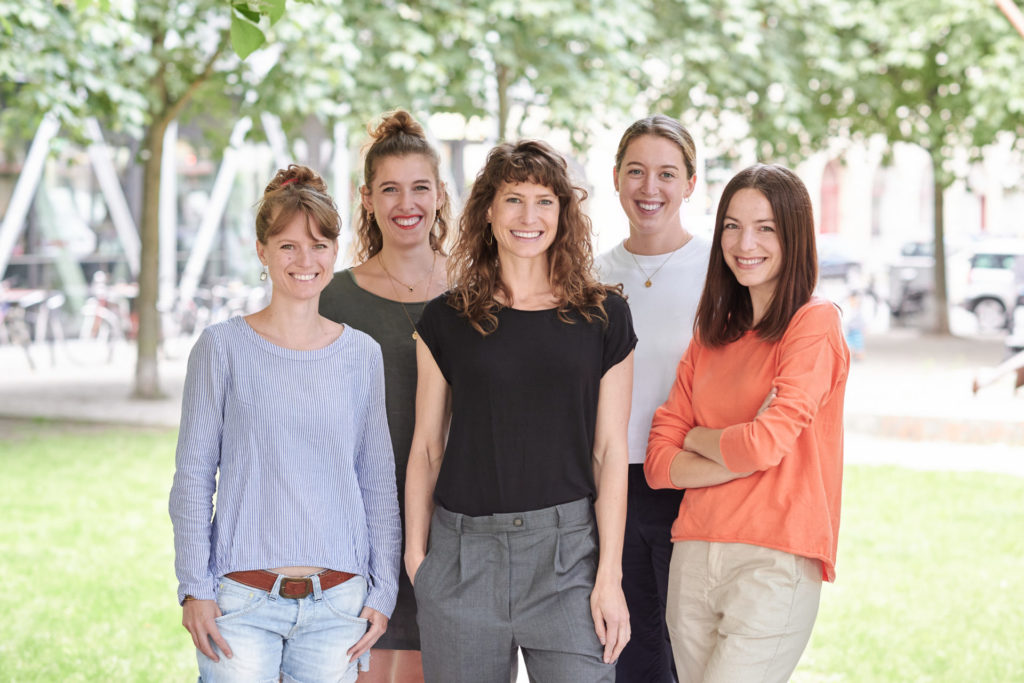
Meet the circular economy ventures selected for Impact Hub Berlin’s first Circular Together incubator.
31 March